What happened
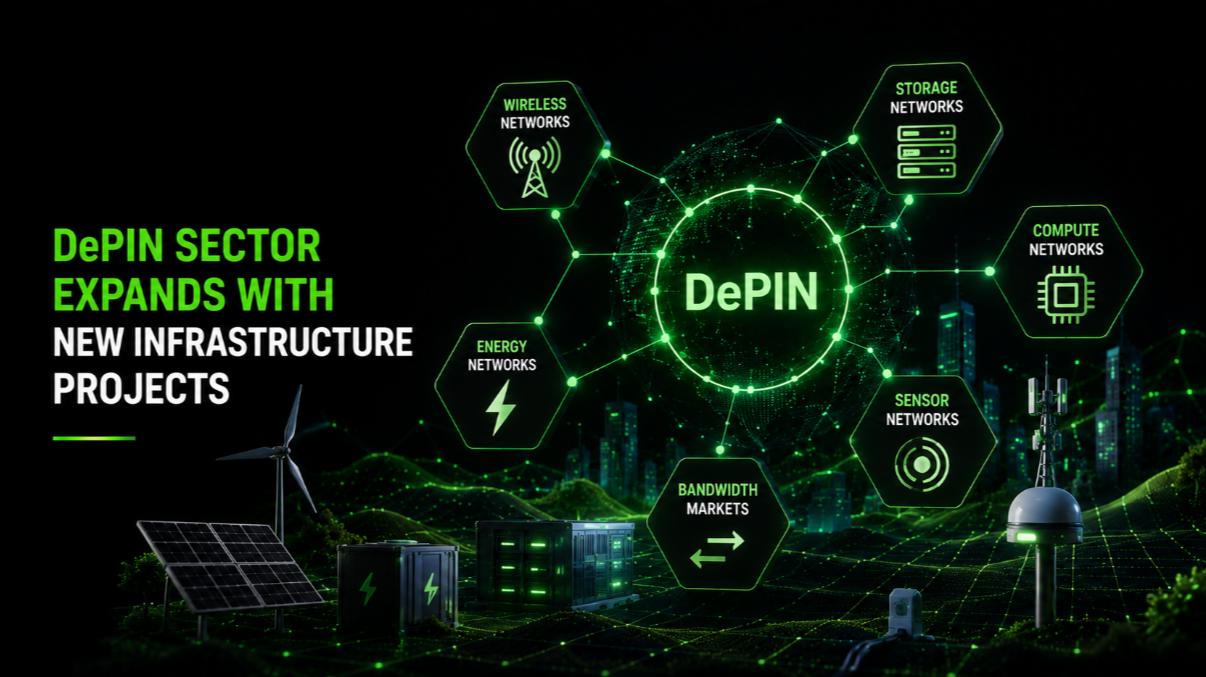
The decentralized physical infrastructure network (DePIN) category has added a fresh batch of projects over recent weeks, spanning wireless connectivity, distributed compute, energy metering, and geospatial data collection. Several teams have moved from testnet to mainnet, while others have opened hardware pre-orders or expanded node coverage into new regions. The common thread is a model that rewards participants with tokens for contributing physical resources such as antennas, sensors, GPUs, or bandwidth.
Established names remain reference points. Helium continues to operate its mobile and IoT networks, and newer entrants often benchmark their coverage maps and reward economics against it. The recent additions are notable less for any single launch than for the pace at which comparable designs are appearing across different verticals.
Why it matters
DePIN attempts to solve a coordination problem that has historically required large centralized capital: building out physical networks. By distributing both the cost and the ownership, these projects aim to bootstrap coverage faster and in places incumbents overlook. If the approach works, it could lower the barrier for community-owned wireless, storage, and compute.
The open question is durability. Token rewards can attract hardware deployment quickly, but usage must eventually generate real demand to sustain the network once emissions taper. Analysts have repeatedly flagged the gap between deployed devices and paying customers as the metric that separates viable networks from subsidized ones. The current expansion will be judged on whether newer projects can convert incentivized supply into recurring revenue.
Market context
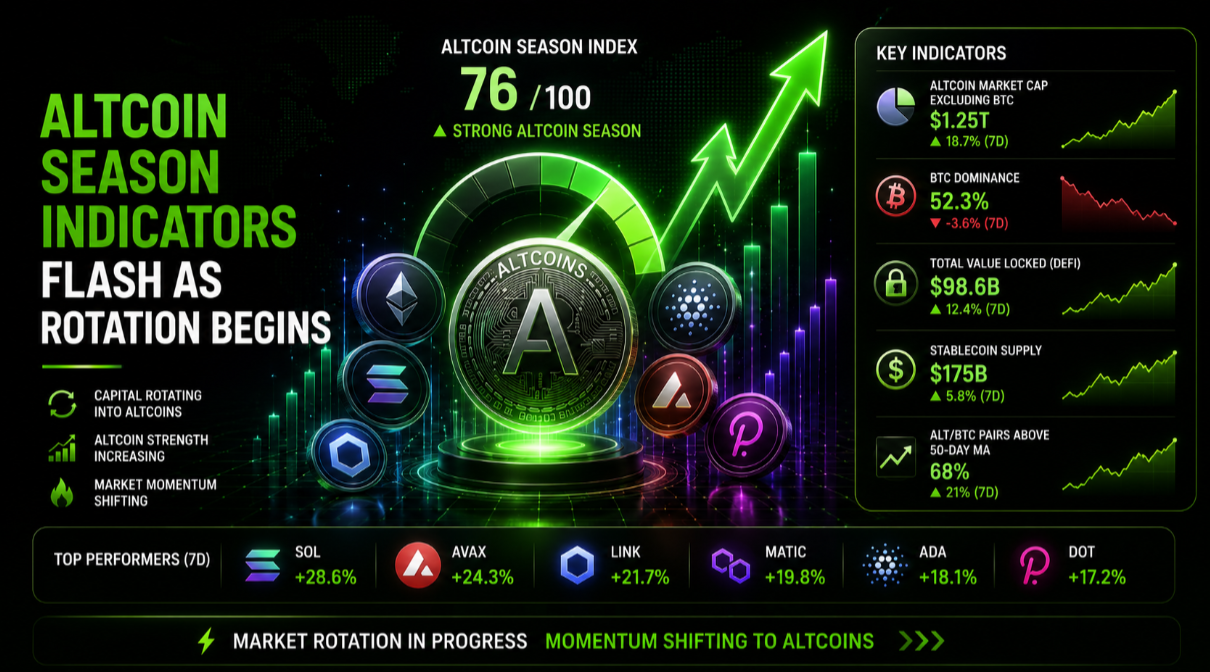
DePIN tokens have traded with the broader altcoin market rather than as an isolated theme, and liquidity remains concentrated in a handful of larger names. The proliferation of new projects raises the risk of fragmentation, where capital and hardware operators spread thin across many competing networks instead of consolidating around a few with genuine usage.
Hardware dependencies also introduce costs that purely software-based tokens avoid: manufacturing, shipping, regulatory compliance for radio spectrum, and physical maintenance. These frictions can slow growth but may also create defensibility for teams that execute well. Investors weighing the sector are increasingly asking for on-chain usage data rather than device counts alone.
What to watch
Three signals are worth tracking in the coming months. First, published usage and revenue figures, not just node totals, since these indicate whether demand is materializing. Second, token emission schedules and how networks plan to transition from reward-driven growth to fee-driven sustainability. Third, consolidation activity, as partnerships or roaming agreements between networks could point to which designs are gaining traction.
The DePIN expansion reflects continued experimentation rather than a settled outcome. For readers, the practical takeaway is to distinguish between projects reporting real utilization and those still primarily rewarding deployment. This article is analysis, not financial advice, and the sector remains early and volatile.