What happened
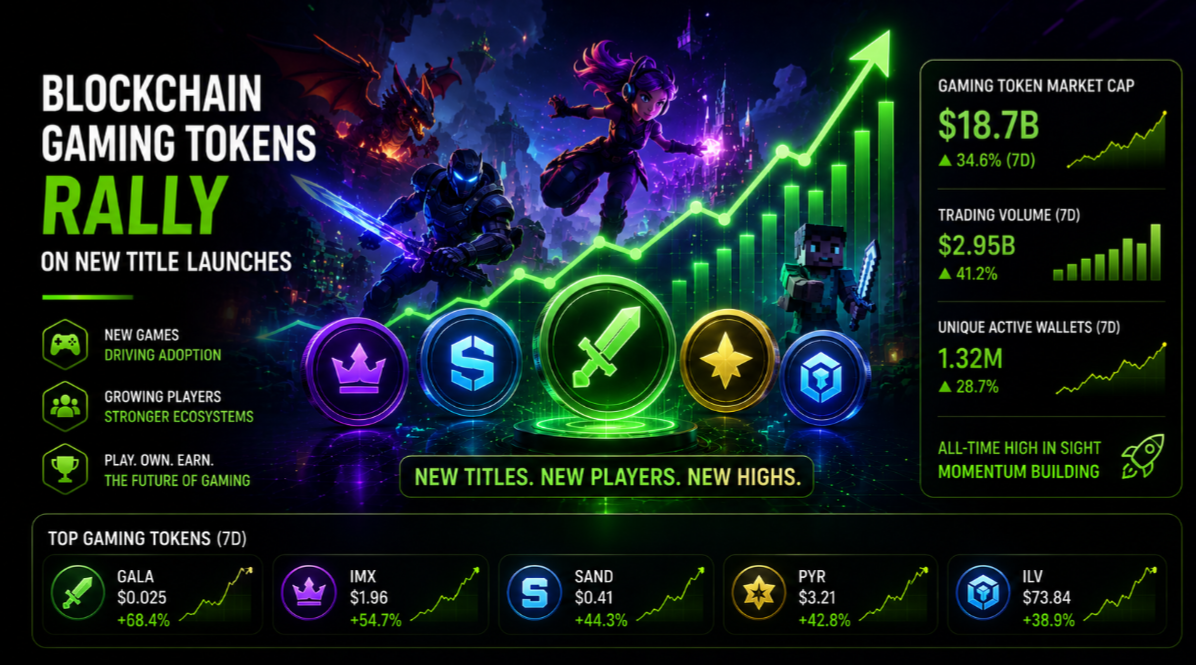
Tokens tied to blockchain gaming projects moved higher this week after several studios shipped or dated new titles that had spent months, in some cases years, in development. A handful of large-cap gaming and metaverse tokens posted double-digit gains, and trading volume across the sector rose sharply against a broadly flat backdrop for major coins.
The catalysts were concrete rather than promotional. One studio opened public access to a competitive title after a long closed beta, another confirmed a firm release window for a much-hyped role-playing game, and a third pushed a season update that reset in-game economies. Each announcement fed the familiar pattern of traders positioning ahead of player numbers they hope will follow.
Why it matters
Blockchain gaming has long struggled with a credibility gap. Token prices have often run ahead of anything users could actually play, and the sector still carries the memory of 2021-era projects that rewarded early speculators while failing to retain players. A rally driven by shipped software, not roadmaps, is a modestly better signal than one driven by teasers alone.
It matters for a second reason. Gaming is one of the few crypto categories with a plausible path to mainstream users who neither know nor care about the underlying chain. If any of these launches convert curiosity into sustained daily active users, it would help validate a thesis that has consumed years of venture funding. If they do not, the tokens are likely to give back gains as quickly as they earned them.
Market context
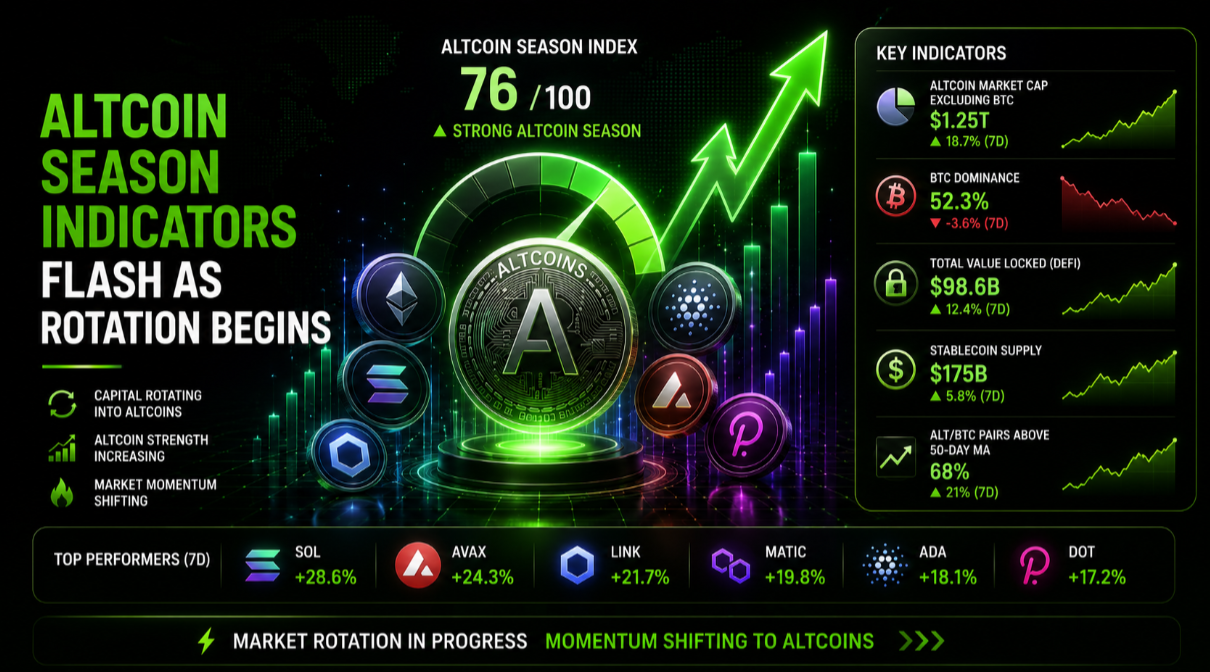
The move fits a wider pattern in which capital rotates toward higher-risk altcoins when Bitcoin stabilizes. Gaming tokens are among the higher-beta corners of that trade, so they tend to amplify both directions. This week's strength coincided with softer Bitcoin dominance and renewed appetite for narrative-led sectors.
Context also demands caution. Launch-day spikes in this category have historically faded once the initial player rush passes and token emissions resume pressuring prices. Many gaming tokens carry inflationary reward schedules designed to bootstrap activity, which can work against holders when growth stalls. Retention, not download counts, has been the sector's persistent weak spot.
The broader funding environment remains a factor too. Studios that raised in warmer markets are now shipping into tighter conditions, and their tokens are being judged on delivery rather than promise. That shift, from pitch to product, is arguably the more durable story beneath the price action.
What to watch
The clearest tell will be player data in the weeks after each launch. Concurrent users, day-seven and day-thirty retention, and whether activity holds once launch incentives taper will say more than any price chart. Analysts will also watch on-chain transaction counts to gauge whether players are engaging with token mechanics or simply playing and leaving.
Token supply dynamics deserve attention as well. Emissions schedules, treasury unlocks, and whether studios adjust reward rates in response to demand can determine how much of this week's rally survives. Finally, watch whether the gains broaden beyond a few names or stay concentrated, since narrow leadership has tended to fade fast in this sector.
For now, the launches give the rally a firmer footing than earlier cycles, but playable does not yet mean proven. The signals are worth monitoring rather than chasing. This article is analysis, not financial advice.