What happened
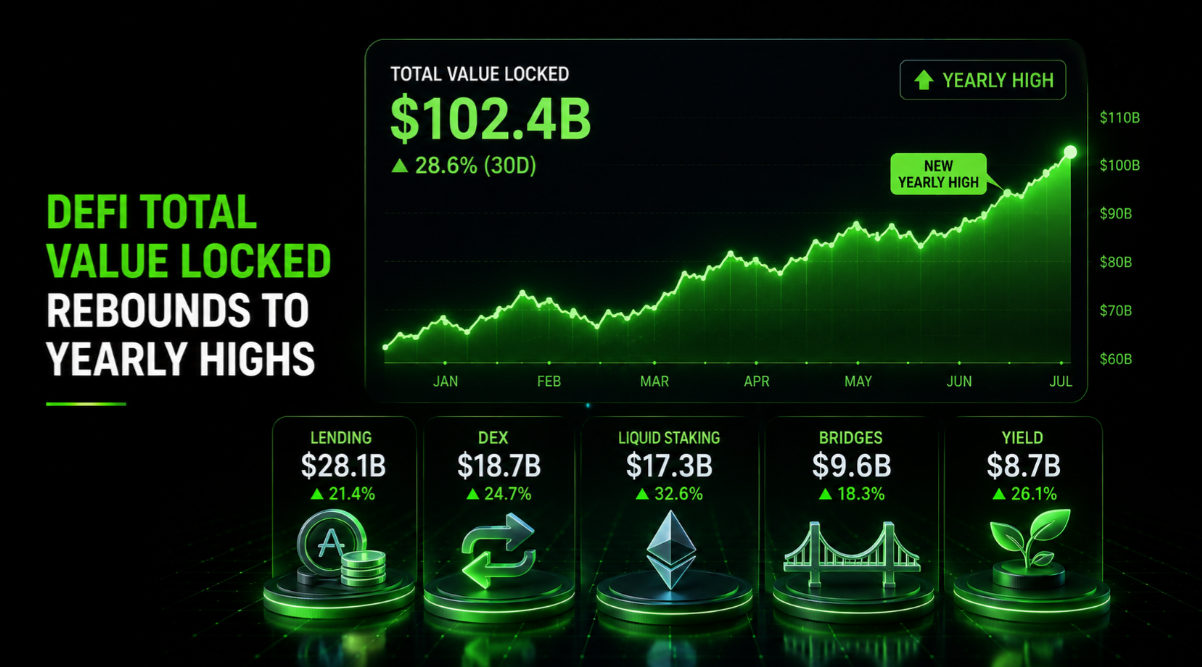
Total value locked (TVL) in decentralized finance has recovered to its highest reading of the year, according to widely tracked dashboards that aggregate assets deposited across lending markets, decentralized exchanges, and staking protocols. The rebound reverses much of the drawdown seen earlier in the year, when volatile prices and thinner liquidity pulled deposits lower.
TVL measures the value of crypto assets committed to smart contracts. Because the figure is denominated in dollars, it moves with both the volume of tokens deposited and the market price of those tokens. The recent climb reflects a mix of the two: fresh inflows into liquid staking and restaking, alongside firmer prices for major collateral assets such as ether and stablecoins.
Why it matters
TVL is one of the most cited health checks for the DeFi sector, even if it is an imperfect one. A rising figure signals that users are willing to lock capital into protocols rather than hold it idle, which can point to renewed confidence in on-chain yields and counterparty risk. It also tends to correlate with deeper liquidity, tighter spreads on decentralized exchanges, and more stable borrowing rates.
The caveat is that TVL can be inflated by price appreciation alone, and by tokens that are counted more than once as they move through layered protocols like restaking and liquid staking derivatives. A yearly high in dollar terms does not automatically mean a yearly high in the number of coins actually deposited. Readers should treat the metric as a directional signal, not a precise gauge of adoption.
Market context
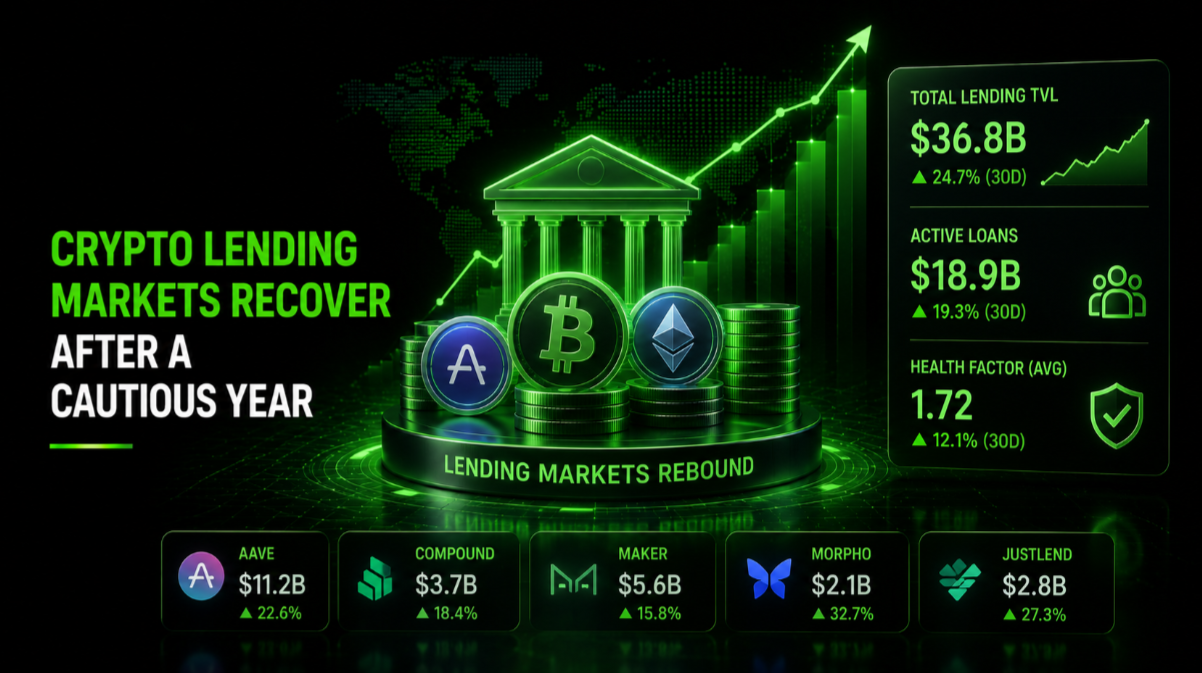
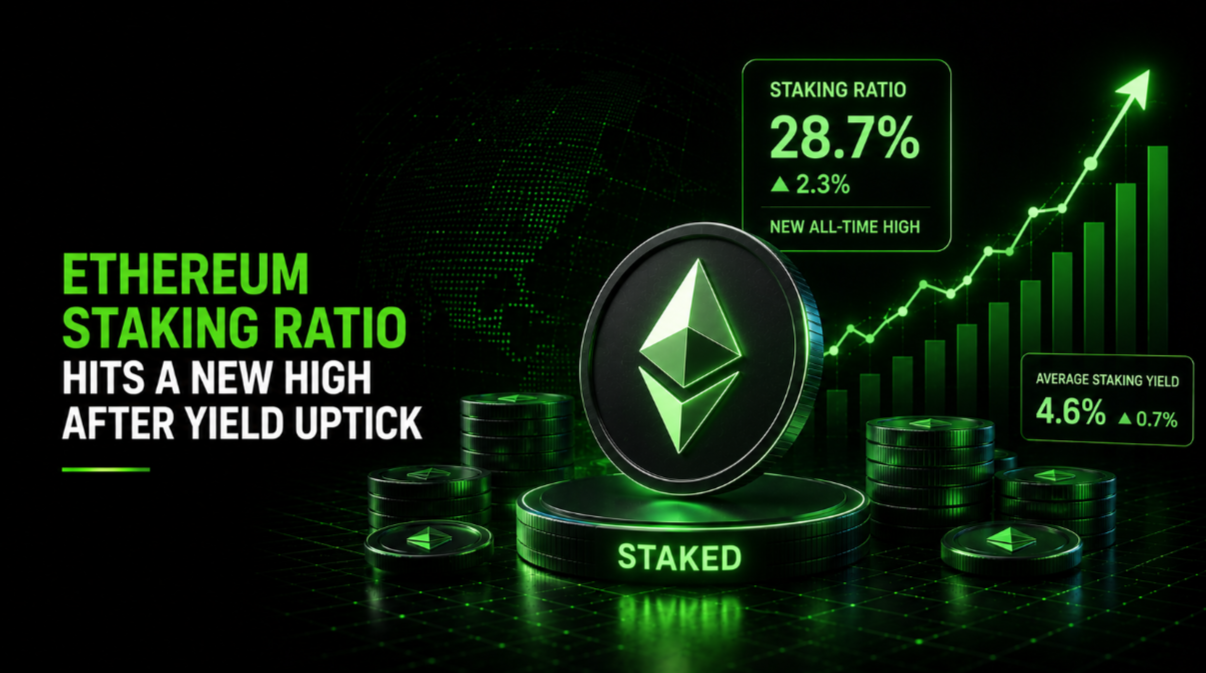
The recovery arrives after a stretch of consolidation across crypto markets. Lending protocols have reported steadier utilization, and staking continues to absorb a growing share of circulating supply on proof-of-stake networks. Layer-2 ecosystems have also captured a larger slice of activity, spreading TVL across more chains than in previous cycles.
Stablecoin supply, often a leading indicator of dry powder available for on-chain strategies, has expanded alongside the TVL move. That suggests some of the growth is backed by real inflows rather than price effects alone. Even so, the distribution remains concentrated: a handful of large lending and staking protocols account for a disproportionate share of locked value, leaving the headline number sensitive to the fortunes of a few platforms.
What to watch
The next question is whether inflows hold if prices cool. Sustained TVL through a period of flat or falling token prices would be a stronger sign of organic demand than a rally driven by mark-to-market gains. Analysts will also watch the split between liquid staking, restaking, and traditional lending to gauge where risk is accumulating.
Other signals worth tracking include stablecoin issuance, on-chain borrowing rates, and any shifts in yields that could pull capital toward or away from specific chains. Regulatory developments around staking and stablecoins remain a wildcard that could influence flows on short notice.
This article is for informational purposes only and does not constitute financial advice. Crypto assets are volatile, and readers should conduct their own research before making decisions.