What happened
Bitcoin's fourth halving cut the reward paid to miners for each new block from 6.25 to 3.125 coins. A halving happens roughly every four years, or every 210,000 blocks, and it is written directly into the protocol. Its purpose is to slow the rate at which new bitcoin enters circulation until the supply cap of 21 million is reached, an event still expected to arrive well over a century from now.
A year on, the mechanics have played out as designed. The daily issuance of new coins is now about half what it was, and the block subsidy that once anchored miner revenue is a smaller share of what secures the network. None of this was a surprise. The date was known years in advance, which is part of why the event is often described as priced in long before it arrives.
Why it matters
The halving matters most for the people who run mining hardware. With the per-block reward halved, operators earn fewer coins for the same work. Those with cheap electricity and newer, more efficient machines have absorbed the change most comfortably. Higher-cost operations have faced tighter margins, and some older equipment has been retired or sold. The result over the past year has been a gradual consolidation toward larger, better-capitalized miners.
The second effect is on supply. Fewer new coins reaching the market each day reduces the natural selling pressure from miners who sell to cover costs. Whether that translates into higher prices depends on demand, which the halving does nothing to control. It is worth being precise here: the halving changes the rate of new supply, not the level of demand, and the two together set the price.
Market context
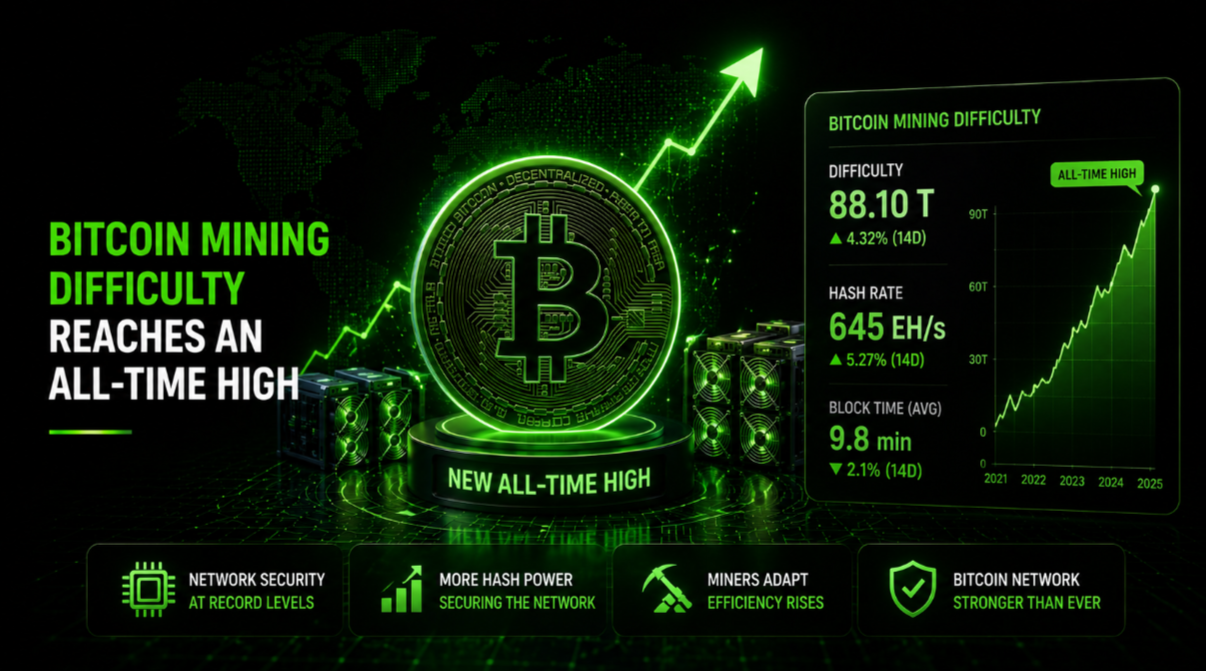
Several trends have shaped the year since the halving. Mining difficulty and hashrate have climbed to records as operators added more efficient capacity, which means the network is more competitive to mine even as the reward shrank. Transaction fees have become a more important part of miner income, a shift that will only deepen with each future halving as the subsidy continues to fall.
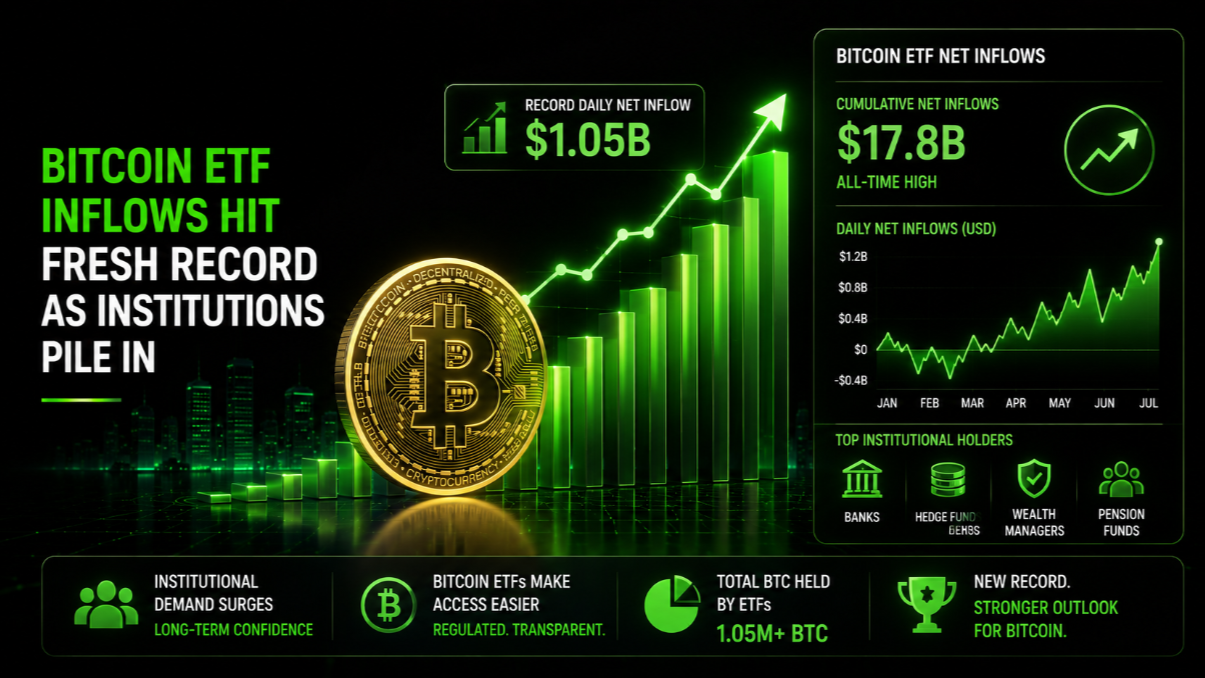
The broader backdrop has included steady institutional participation through spot exchange-traded funds and continued interest from asset managers, which has changed who holds bitcoin and how. Compared with earlier cycles, the market structure around this halving looked more mature, with deeper liquidity and a wider set of participants than in 2016 or 2020.
History offers context but not a script. Past halvings were followed by notable price runs, but each occurred under different conditions, and the sample size is small. Reading too much into three prior cycles risks mistaking a pattern for a rule.
What to watch
The clearest signals to monitor are miner behavior and network health. Watch whether hashrate keeps expanding or flattens as some operators reach the limit of what current prices can support. Track miner reserves and any large selling, which can hint at cash-flow strain. Rising transaction fees would ease that pressure and show fee revenue picking up the slack left by the smaller subsidy.
On the demand side, flows into ETFs and the pace of institutional adoption remain the variables most likely to move the market. And with the next halving still around three years out, the current period offers a cleaner look at how the network functions on a reduced subsidy without an imminent supply shock on the horizon.
This article is analysis, not financial advice. Market and network conditions can change quickly, and readers should do their own research before making decisions.