How to avoid crypto scams: start with a checklist
Learning how to avoid crypto scams is one of the most valuable skills you can build as a new investor. Crypto moves fast, transactions are irreversible, and there is no bank to call for a refund. That combination makes it a favorite target for fraudsters. The good news: nearly every scam relies on the same handful of tricks. Once you can recognize the pattern, you can protect yourself. Use the checklist below before you send funds, connect a wallet, or trust a new project.
- Does someone promise guaranteed or unusually high returns?
- Are you being rushed to act right now?
- Did an "official" contact reach out to you first?
- Are you asked for your seed phrase or private keys?
- Have you verified the website URL and contract address independently?
If any answer raises a flag, stop. Below we break down the most common scams and how to handle each one.
Red flag one: promises of guaranteed returns
No legitimate investment guarantees profit, and crypto is volatile even by the standards of risky assets. Scammers exploit the fear of missing out with claims like "double your Bitcoin in 24 hours" or "fixed 2% daily yield." Fake trading bots, cloud-mining schemes, and Ponzi-style platforms all lean on this hook. A yield that sounds too good to be true almost always is. Treat any promise of risk-free or steady outsized returns as a reason to walk away, not to invest faster.
Red flag two: anyone who wants your seed phrase
Your seed phrase (also called a recovery phrase) is the master key to your wallet. Whoever holds it controls your funds. No legitimate exchange, wallet app, support agent, or airdrop will ever need it. Memorize this rule: you type your seed phrase only when you are personally restoring your own wallet, and never into a website, chat, form, or "validation" tool.
- Write your seed phrase on paper or steel, never in a photo, note, or cloud file.
- Never enter it on any website, even one that looks official.
- Ignore support staff who ask you to "verify" or "sync" your wallet with it.
- Be suspicious of QR codes that claim to import a wallet automatically.
Red flag three: phishing links and lookalike sites
Phishing is the workhorse of crypto fraud. Attackers clone the login page of a popular exchange or wallet, buy ads so it appears at the top of search results, and wait for you to enter your credentials or connect your wallet. The fake site may differ from the real one by a single character in the URL. Always reach official sites through a bookmark you saved yourself, and double-check the address bar before typing anything. Be equally careful with links in emails, direct messages, and social media replies, which are common delivery routes.
When you connect a wallet, read the transaction prompt. A signature request that grants unlimited spending approval on your tokens is a classic drainer setup. If a simple action asks for sweeping permissions, reject it.
Red flag four: impersonation and fake giveaways
"Send 1 ETH and receive 2 ETH back" giveaways are pure theft, yet they persist because they work on newcomers. Scammers impersonate celebrities, founders, and even project support channels using cloned profiles and hijacked accounts. Real giveaways never require you to send money first. Similarly, unsolicited direct messages offering "help" with a stuck transaction are nearly always fake support agents fishing for access. Verify identities through official, linked channels rather than trusting a name and avatar.
Red flag five: rug pulls and brand-new tokens
A rug pull happens when a project's creators hype a new token, attract buyers, then drain the liquidity and vanish. Warning signs include anonymous teams, no working product, aggressive social media promotion, and a token you can buy but not sell. Before touching a low-cap token, do basic homework.
- Check whether the smart contract has been audited by a reputable firm.
- Look for locked liquidity and a transparent, verifiable team.
- Use a block explorer to see how concentrated token holdings are.
- Search the project name alongside the word "scam" and read the results.
Build safe habits that make scams bounce off
Tools matter as much as awareness. A few durable habits shrink your attack surface no matter what new scam appears next.
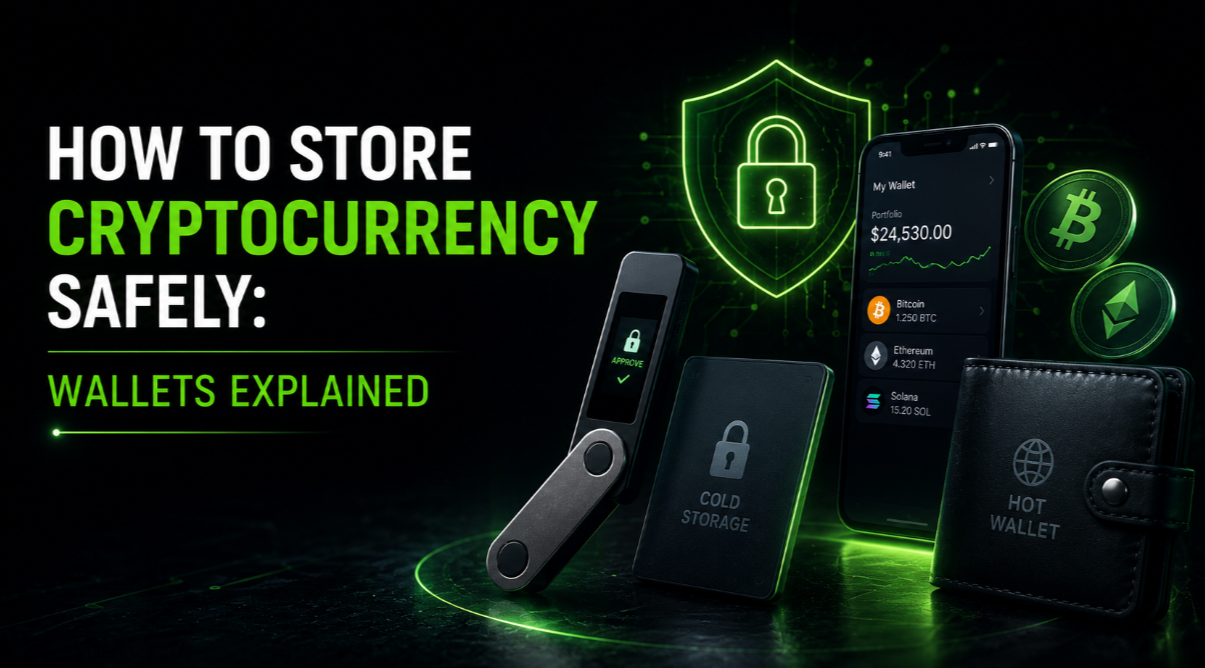
- Use a hardware wallet for meaningful amounts and keep it offline.
- Enable two-factor authentication with an app, not SMS, on every exchange.
- Keep a separate "burner" wallet for minting and interacting with unfamiliar sites.
- Periodically review and revoke token approvals you no longer use.
- Slow down. Urgency is a manufactured feeling, not a real deadline.
The takeaway
Scammers succeed by rushing you past your own judgment. The defense is unglamorous but reliable: verify before you trust, guard your seed phrase like your life savings, and treat guaranteed returns as a warning rather than an opportunity. Run through the checklist at the top of this guide every time something new asks for your money or your wallet. A few minutes of caution is far cheaper than an irreversible mistake. This article is educational and not financial advice; always do your own research.