How to buy Bitcoin: what you need to know first
Learning how to buy Bitcoin is simpler than most newcomers expect. At its core, buying Bitcoin means opening an account with a trusted platform, funding it with your local currency, placing an order, and then moving the coins somewhere safe. The whole process can take under an hour, but the decisions you make along the way, especially around security, matter far more than speed. This guide walks through each step so you can act with confidence rather than guesswork.
Before you begin, understand what you are actually buying. Bitcoin is a digital asset recorded on a public ledger called a blockchain. You do not receive a physical object; instead you control a balance tied to a cryptographic key. Whoever holds that key controls the Bitcoin, which is why storage is such a central part of the journey.
Step 1: Choose a reputable exchange
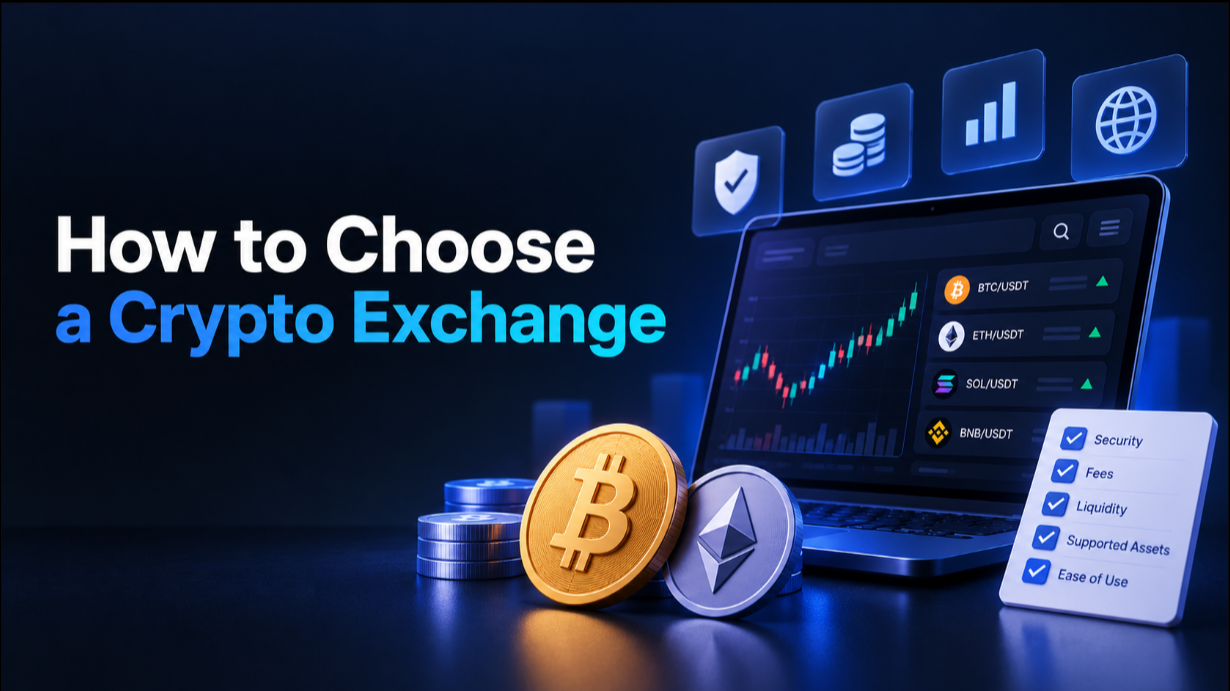
A cryptocurrency exchange is the marketplace where you convert money into Bitcoin. Most beginners start with a centralized exchange because these platforms are regulated, easy to use, and support familiar payment methods. When comparing options, weigh the following factors:
- Regulation and licensing in your country or region.
- Security track record, including whether the platform has suffered major breaches.
- Fees for trading, deposits, and withdrawals, which vary widely.
- Supported payment methods, such as bank transfer, debit card, or wire.
- Liquidity, so your orders fill quickly at fair prices.
Read recent user reviews and confirm the exchange serves customers in your jurisdiction before committing.
Step 2: Create and verify your account
Once you pick a platform, you will register with an email address and password, then complete identity verification. This step, known as Know Your Customer (KYC), is a legal requirement on regulated exchanges. You typically upload a government ID and sometimes a selfie or proof of address. Verification can be instant or take a day or two.
While setting up, enable two-factor authentication (2FA) immediately. Use an authenticator app rather than SMS where possible, since phone-based codes are vulnerable to SIM-swap attacks. Strong account security here protects every purchase you make later.
Step 3: Add funds to your account
With verification complete, deposit money using your preferred method. Bank transfers usually carry the lowest fees but settle more slowly, while debit-card purchases are faster and pricier. Check the exact costs before confirming, because a small percentage difference adds up over time.
A practical tip: only deposit an amount you are comfortable committing. Bitcoin's price can swing sharply within a single day, and no beginner should fund an account with money needed for rent, bills, or emergencies.
Step 4: Place your buy order
Now you are ready to buy. Exchanges generally offer two common order types:
- Market order: buys instantly at the current price. Simple and fast, ideal for beginners.
- Limit order: buys only when Bitcoin reaches a price you set, giving you more control but no guarantee of execution.
You can buy a fraction of a Bitcoin; there is no need to purchase a whole coin. Many people start with a fixed amount of currency, say the equivalent of fifty dollars, and the exchange calculates the corresponding Bitcoin. Some investors use dollar-cost averaging, buying small amounts on a regular schedule to smooth out price volatility.
Step 5: Move your Bitcoin to a wallet
After your order fills, the Bitcoin sits in your exchange account. Leaving large amounts there long term is risky, because you rely entirely on the platform's security. For meaningful holdings, transfer your coins to a personal wallet where you control the keys. Your options include:
- Hardware wallets: physical devices that store keys offline, offering the strongest protection.
- Software wallets: mobile or desktop apps that are convenient for smaller amounts and frequent use.
Whichever you choose, write down your recovery phrase on paper and store it somewhere private. Never photograph it, type it into a website, or share it. Anyone with that phrase can take your Bitcoin, and no one can reverse the transaction.
Step 6: Stay safe and keep learning
Buying Bitcoin is the beginning, not the end. Scammers frequently target new holders with fake giveaways, phishing emails, and impersonation schemes. Treat unsolicited investment offers with deep skepticism, and remember that legitimate services will never ask for your recovery phrase.
The practical takeaway is straightforward: buy from a regulated exchange, protect your account with strong 2FA, move meaningful amounts into a wallet you control, and never invest more than you can afford to lose. Keep records of your purchases for tax purposes, since many jurisdictions treat crypto gains as taxable events.
This guide is educational and does not constitute financial advice. Cryptocurrency is volatile and carries real risk of loss. Do your own research and consult a qualified professional before making investment decisions.