What happened
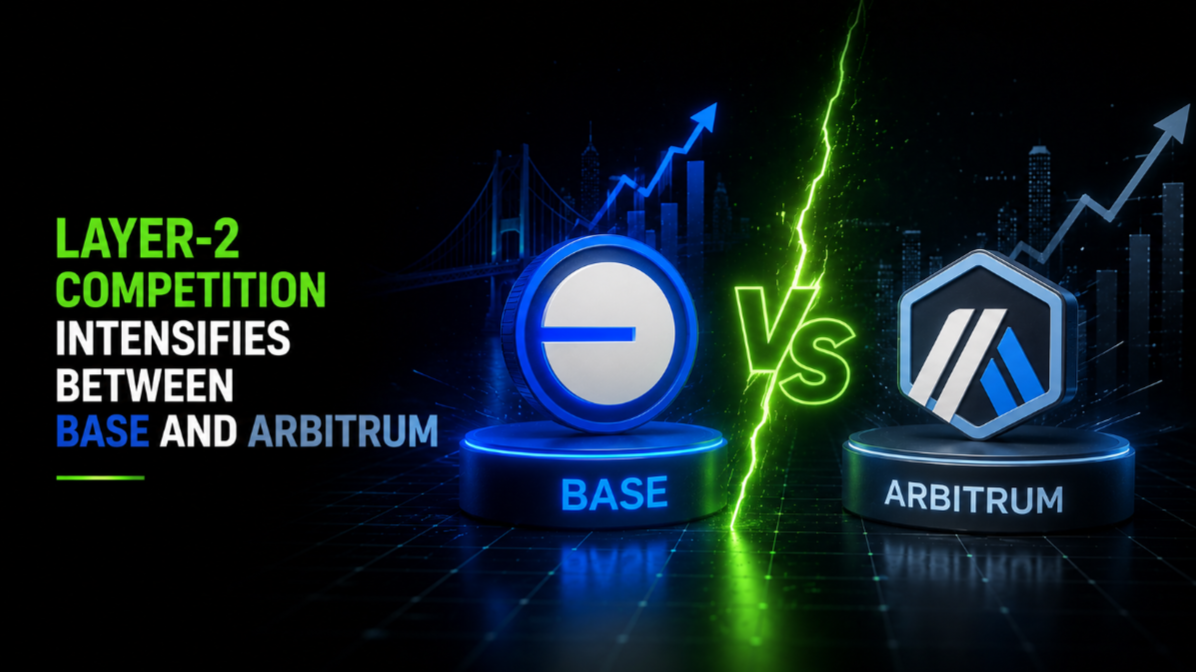
The race among Ethereum layer-2 networks has narrowed to a two-horse contest at the top. Base, the network incubated by Coinbase, and Arbitrum, one of the earliest optimistic rollups, are now trading places at the front of nearly every activity metric that L2 watchers track. Over recent weeks both have posted rising daily transaction counts, growing stablecoin balances, and steady increases in the value bridged onto their chains.
The two are pursuing the lead in different ways. Base leans on distribution, funneling Coinbase's large retail user base toward on-chain apps and consumer-facing products. Arbitrum leans on its incumbency in decentralized finance, where its deep liquidity and long list of established protocols continue to anchor serious trading and lending activity. The result is a rivalry that is less about a single number and more about which model of adoption compounds faster.
Why it matters
Layer-2 networks now settle a large share of Ethereum's economic activity, so who leads among them shapes where developers build, where liquidity pools, and how fee revenue flows back to the base layer. A dominant L2 can attract a self-reinforcing cycle of users, apps, and capital, which makes the current jockeying more consequential than a temporary shift in rankings.
The contrast also tests two theories of growth. Base is a bet that mainstream distribution, backed by a large regulated exchange, can pull ordinary users on-chain at scale. Arbitrum is a bet that decentralization, a broad governance token holder base, and DeFi depth create durable value that a single company's funnel cannot easily replicate. How this plays out may influence how the next wave of L2s and app-chains position themselves.
Market context
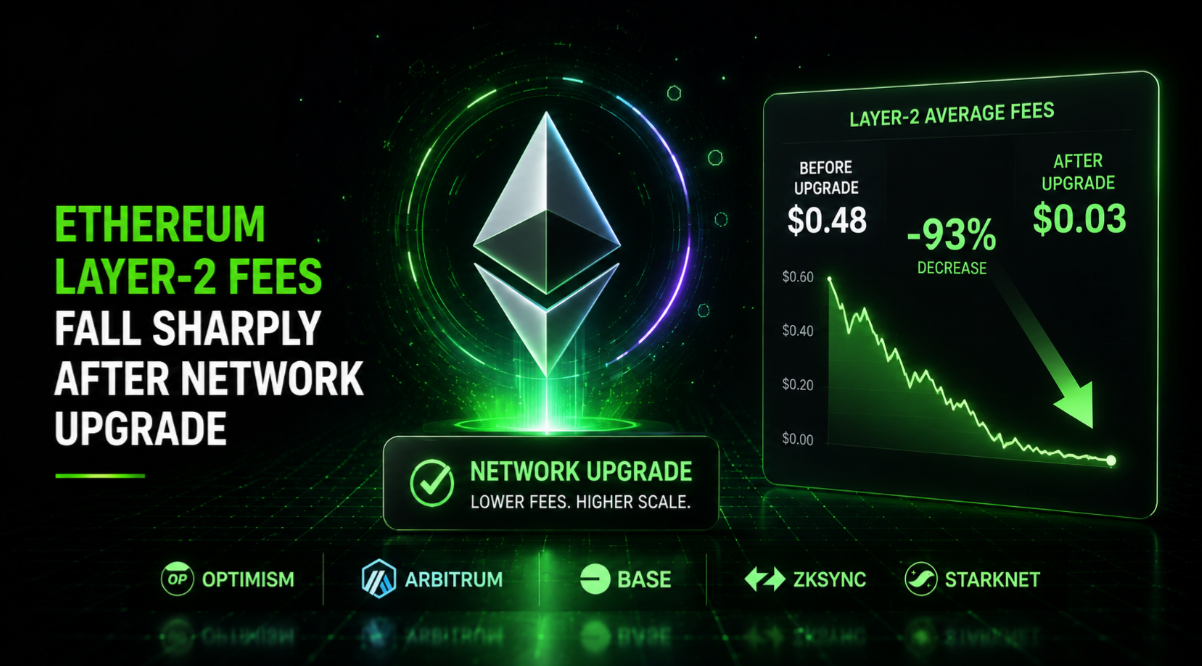
Both networks benefit from the same tailwind: Ethereum's move to make data availability cheaper has cut L2 fees sharply, lowering the cost of the small, frequent transactions that consumer apps depend on. That has widened the gap between the leading rollups and the long tail of smaller chains struggling to attract sustained usage.
The tokens tell part of the story too. Arbitrum has a live governance token, ARB, whose price and treasury decisions are watched closely by holders, while Base has not issued a token, leaving its value accrual tied to Coinbase's broader business. That difference changes how each community measures success and how incentives are handed out to attract builders. None of this should be read as a prediction about token prices, and readers should treat activity metrics as one signal among many rather than proof of long-term dominance.
What to watch
Three things are worth tracking in the coming months. First, retention: raw transaction spikes are easy to manufacture with incentives, so the more telling question is whether users and total value stay after rewards taper. Second, the developer pipeline, since the chain that keeps shipping distinctive apps tends to hold attention longer than one that merely subsidizes activity. Third, any move by Base toward a token or by Arbitrum toward tighter consumer distribution, either of which would blur the strategic line that currently separates them.
For now, the competition looks healthy for Ethereum as a whole, pushing fees down and experimentation up. The open question is whether the market ends up with one clear leader or a durable duopoly. This article is analysis, not financial advice.