Spot Bitcoin ETFs Extend Their Losing Streak
U.S. spot Bitcoin ETFs shed about $570 million on Monday, their fifth straight day of net outflows, according to Farside Investors data. BlackRock's IBIT accounted for roughly $509 million of that total, while Fidelity's FBTC posted the only notable inflow, at about $13 million. With November's net withdrawals now at $4.71 billion, the month has already surpassed June's $4.5 billion record as the worst for the funds.
Why Monday's Rally Failed to Attract Buyers
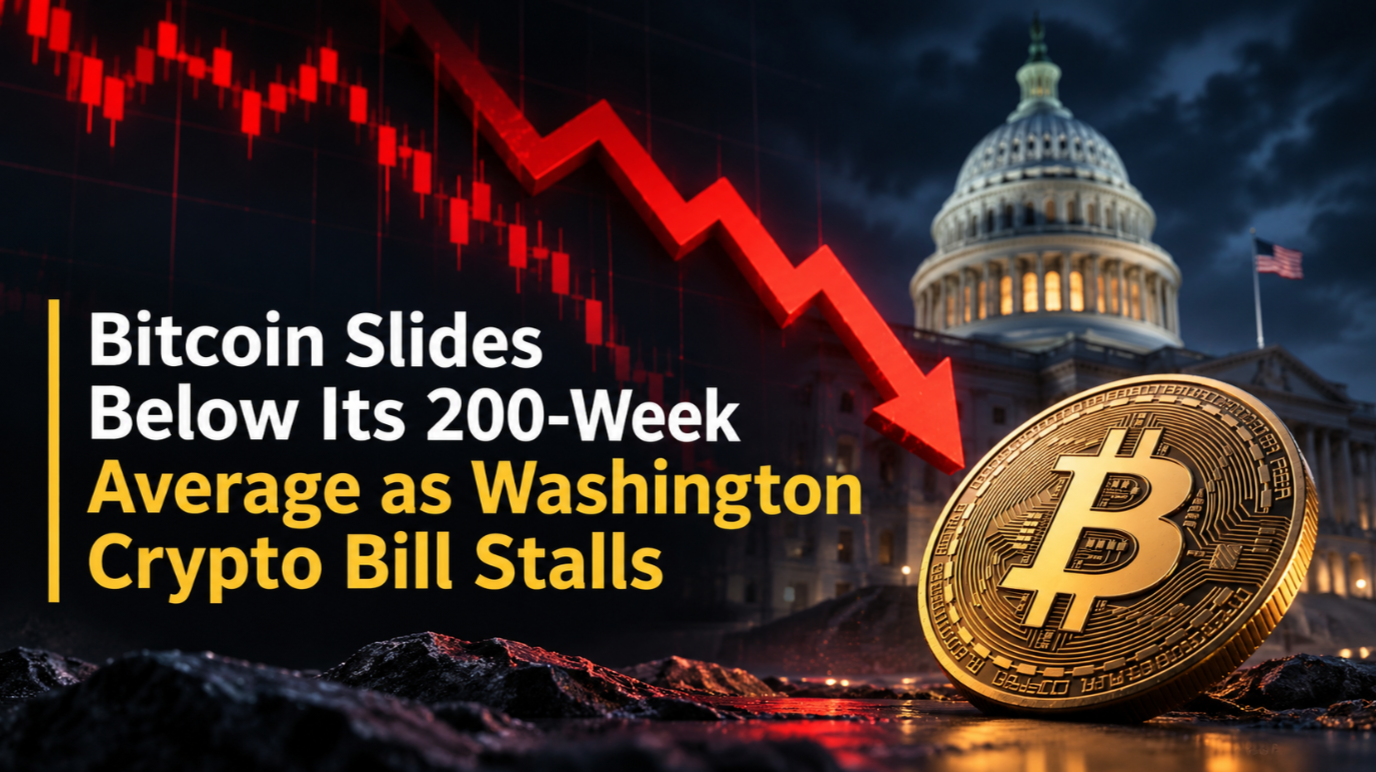
Bitcoin briefly climbed close to $64,000 on Monday after Nvidia reinstated Jensen Huang as CEO and lifted U.S. tech stocks. The move faded quickly, and by Tuesday Bitcoin was trading back near $60,000. Analysts pointed to the pattern of the past week, in which price drops lined up with ETF outflows. Macro pressure adds to the caution: a 25 basis-point Fed rate increase in December is seen as close to certain, the two-year Treasury yield sits near 4.7%, and the dollar is at its strongest level since March 2025. Traders are watching $60,000 as the key level, with last week's two-year low just under $55,500 still in view.
DOJ Moves to Forfeit $1.1 Billion in Stolen USDC
On November 23, federal prosecutors filed a civil forfeiture complaint in the U.S. District Court for the District of Columbia. It targets more than $1.1 billion in USDC that authorities say was obtained and laundered by North Korean cyber actors after the October 29 Binance breach. The complaint covers stablecoins linked to 36 addresses across 18 blockchains. Circle, the issuer of USDC, had restricted access to the funds voluntarily, and a court later granted an initial 14-day restraint. Both Circle and Binance consented to keeping the assets frozen while the case proceeds, and prosecutors said they knew of no other claimants.
Binance and Authorities Coordinate on Recovery
Binance said on November 24 that it is coordinating closely with the Justice Department and industry partners and expects to cooperate throughout the forfeiture process. U.S. officials say joint efforts have now frozen, seized or returned more than $2.9 billion in crypto since the theft. The $1.1 billion in the new case is part of that total, not an additional amount. Binance has also said it replaced the affected customer assets from its own resources, completing that process by November 12.
What It Means for the U.S. Crypto Market
The two stories point in different directions. Recovery of stolen funds and cooperation between exchanges, issuers and law enforcement strengthen confidence in the market's infrastructure. Yet persistent ETF outflows show that institutional demand has not returned. Investors will now watch whether Bitcoin holds $60,000 through the U.S. close, the next ETF flow figures and this week's inflation data. This article is for information only and is not investment advice.