CleanSpark, one of the largest listed US bitcoin miners, is considering selling more bitcoin than it produces each quarter. The company reported its fiscal 2026 results on Nov. 24, 2026: a net loss of $987.1 million for the year ended Sept. 30, against net income of $364.5 million a year earlier. On the earnings call the same day, President and CFO Gary Vecchiarelli described selling "a small amount of Bitcoin in excess of the quarterly production" as "one way of de-risking," according to Cointelegraph.
That matters because miners are natural sellers of new supply. A miner that sells only what it mines leaves its treasury unchanged; one that sells more is drawing down its reserve while bitcoin trades far below its 2025 peak.
What CleanSpark reported
The figures below come from the company's results release, dated Nov. 24, 2026:
- Revenue of $576.5 million for fiscal 2026, down 25% year over year; fourth-quarter revenue of $120.9 million, down 46%.
- A fiscal-year net loss of $987.1 million, or $3.74 per basic share. The fourth quarter alone showed net income of $9.8 million.
- A $281.6 million fiscal-year loss on the fair value of bitcoin and $177.1 million of impairment expense, both noncash items.
- 7,253 BTC mined in the fiscal year, 8% fewer than a year earlier, at an average hashrate of 36.0 EH/s, down 21%.
- 13,530 BTC held at Sept. 30, including bitcoin pledged as collateral, valued at about $1.1 billion at that date's price.
- Liquidity of about $1.3 billion: roughly $204.8 million in cash and about $1.13 billion in bitcoin holdings.
The fleet also became more efficient. CleanSpark put year-end miner efficiency at 14.8 joules per terahash, compared with 16.7 J/TH a year earlier. Lower energy per unit of hashrate is how a miner protects margins when revenue per terahash falls.
Selling more than it mines
The release itself does not mention net selling. It frames treasury policy as "disciplined capital stewardship" and "maintaining flexibility." The more specific signal came from the call, as reported by Cointelegraph: Vecchiarelli said the company already aims to sell virtually all of the bitcoin it mines to cover operating costs, and that it intends to use any extra sales to avoid dilution or new debt.
Cointelegraph's own tally of CleanSpark's monthly operating updates shows the company mined 1,708 BTC and sold 2,102 BTC in the September quarter. That is a net reduction of 394 BTC. CleanSpark did not state quarterly sales in its release, so treat those two numbers as a third-party count, not a company disclosure.
Price explains part of the pressure. Bitcoin fell below $60,000 last week and traded near $58,600 on Nov. 25, according to CoinGecko data. At that price, 13,530 BTC would be worth roughly $793 million. That is our calculation from the Sept. 30 holdings, not a figure CleanSpark has reported, and it ignores any coins sold since.
Why the miner is shifting toward AI data centers
The bigger strategic change is outside mining. CleanSpark says it has signed a 20-year, $6.6 billion triple-net lease with an investment-grade tenant for its Sandersville, Georgia, campus. It funded construction by issuing $2.276 billion of 7.875% senior secured notes due 2031. The first data hall is scheduled for November 2027.
In Texas, the company lists up to 885 MW of power across its Sealy and Brazoria sites, part of a portfolio it describes as up to 2.1 GW. Interest payments on that debt, plus construction spending, help explain why a miner would rather sell some bitcoin than raise equity at a depressed share price.
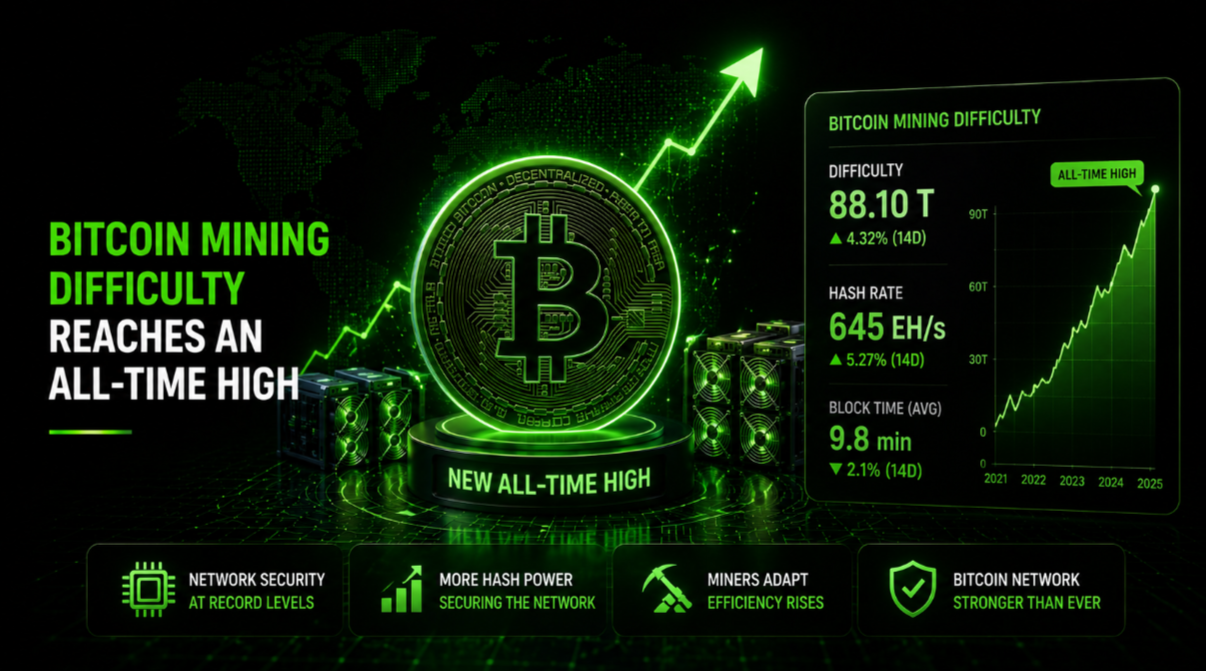
The move fits a wider pattern. Listed miners have been turning their power capacity into AI and high-performance computing leases, which pay fixed rent rather than a reward that moves with the bitcoin price and with network mining difficulty. For readers new to how miners earn, our proof-of-work explainer covers the basics.
What is still unconfirmed
- How much bitcoin CleanSpark has sold since Sept. 30. Cointelegraph reports an undisclosed amount was sold to raise cash; the company's next monthly update should show the change in holdings.
- Whether net selling becomes policy or stays an option. The CFO said the company would be "very reactionary to markets," which leaves the size and timing open.
- When mining capacity is switched off. The company has not given a date for moving miners out of the Georgia site as AI halls come online.
One miner's sales are small next to daily spot volume. Still, a listed miner moving from holding to net selling is a change in behavior worth tracking quarter by quarter, through its monthly production and holdings updates.
This article is for informational purposes only and does not constitute financial advice.