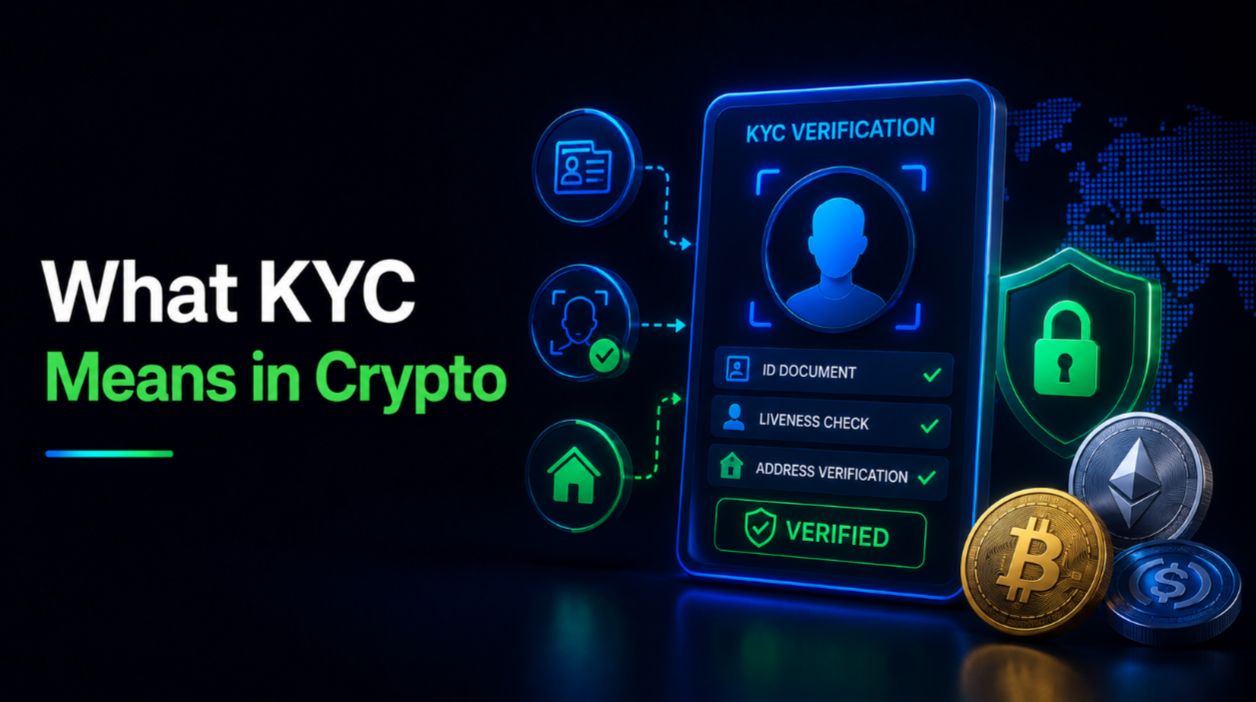
KYC in crypto stands for "Know Your Customer," the process an exchange or service uses to verify who you are before letting you deposit, trade or withdraw. In practice it means submitting identifying information, such as your name, date of birth, address and a photo of an official ID, so the platform can confirm your identity. KYC is standard at centralized exchanges because they operate as regulated financial businesses, and it exists to help prevent fraud, money laundering and other illegal activity. If you have ever opened a bank account, the idea is familiar.
Key takeaways
- KYC is identity verification that regulated crypto platforms require before you can fully use them.
- It exists to meet anti-money-laundering rules and to reduce fraud and account takeover.
- Expect to provide ID and sometimes a selfie or proof of address; requirements vary by platform and region.
- KYC involves sharing sensitive data, so only verify with reputable, legitimate services.
Why exchanges require KYC
Centralized exchanges handle real money and connect the traditional financial system to crypto, which places them under anti-money-laundering and counter-terrorism-financing regulations in most jurisdictions. KYC is how they comply. By confirming customers' identities, platforms can detect suspicious activity, block sanctioned individuals, and cooperate with lawful requests. It also protects users: verification makes it harder for a thief to open or hijack an account in someone else's name, and it supports account recovery if you lose access.
The trade-off is privacy. KYC ties your real identity to your trading activity and requires you to trust the platform with sensitive documents. That is a reasonable exchange with a reputable, regulated operator, but a serious risk with an unknown one, which is why where you verify matters as much as the process itself.
What the process usually involves
KYC is typically a one-time setup when you open an account, though platforms may ask for more as your activity grows. The steps commonly include:
- Personal details: your full name, date of birth and residential address.
- Government ID: a photo or scan of a passport, driving licence or national ID card.
- Selfie or liveness check: a photo or short video to confirm you match the ID.
- Proof of address: sometimes a utility bill or bank statement for higher limits.
Basic verification often unlocks core trading, while higher tiers, needed for larger deposits or withdrawals, may require additional documents. Verification can be near-instant or take longer if manual review is involved. Some platforms also carry out ongoing monitoring after onboarding, meaning they may occasionally ask you to re-confirm details or explain an unusually large transaction. This is routine for regulated businesses and is not, by itself, a sign that anything is wrong with your account.
What happens to your information
Once you complete KYC, the platform stores your documents and links them to your account and activity. Reputable operators encrypt this data, restrict who can access it, and retain it only as long as regulations require. They may share it with regulators or law enforcement when legally compelled, but they should never post it publicly or sell it. Before verifying, it is worth glancing at how a platform describes its data handling in its privacy policy, because you are effectively entrusting it with the same sensitive documents you would give a bank.
KYC across different platforms
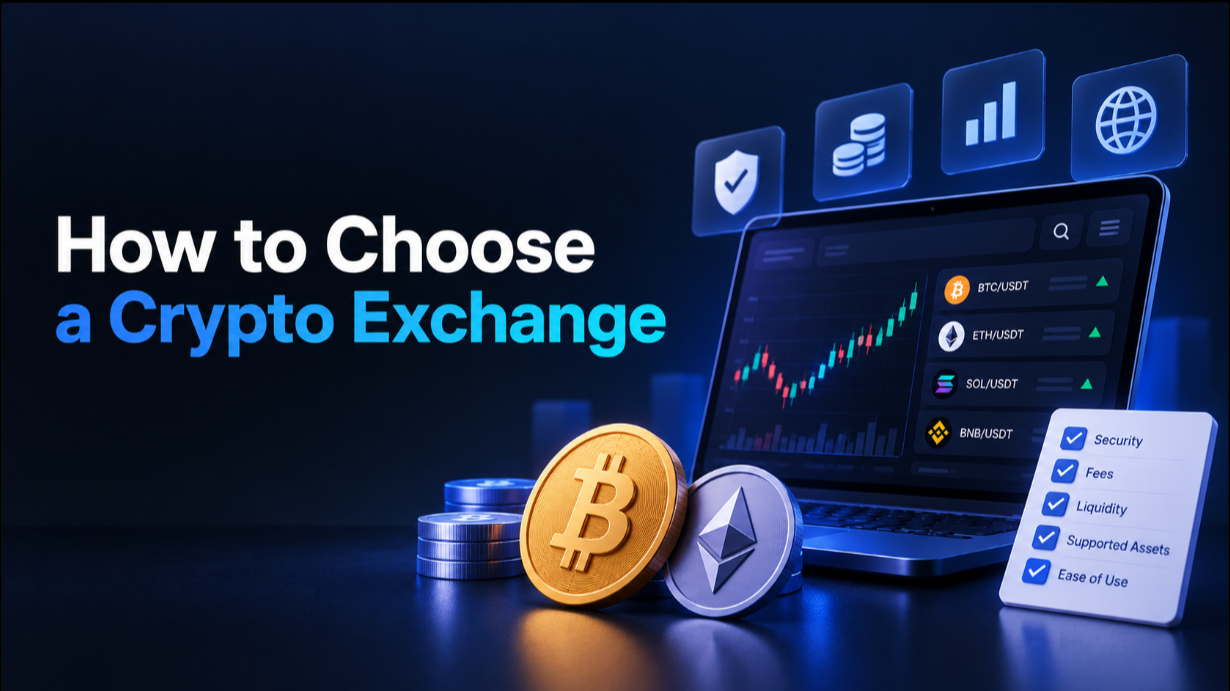
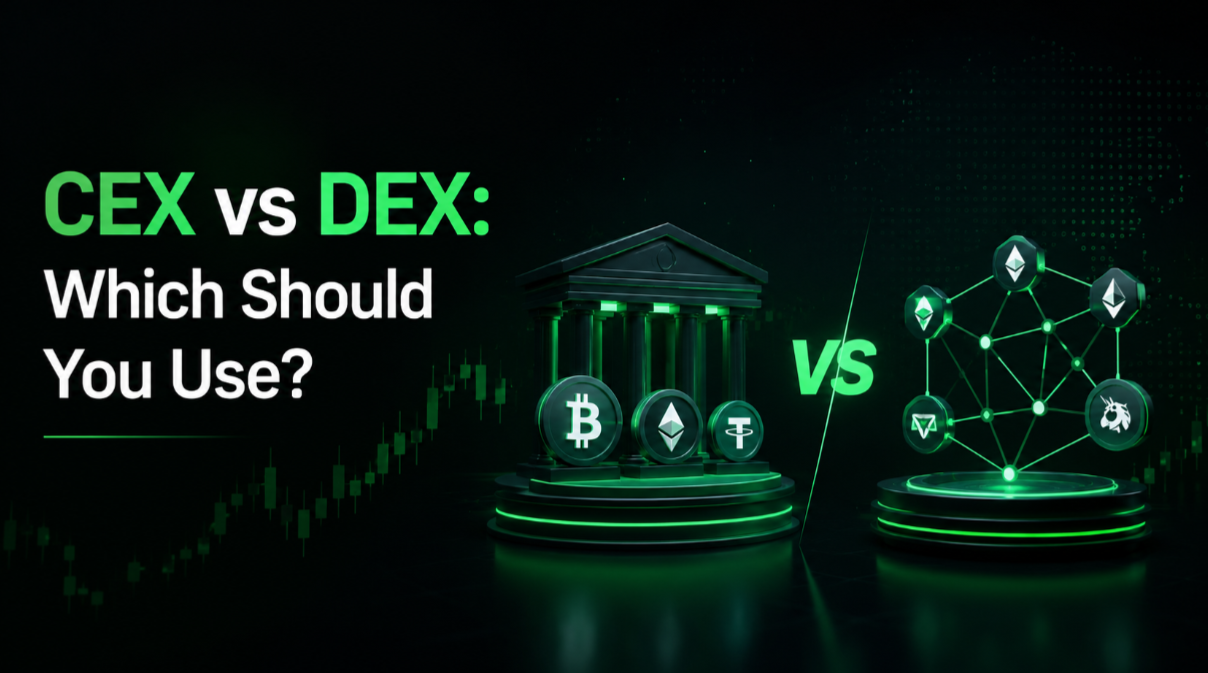
Not every crypto service asks for the same level of identification. Centralized exchanges almost always require KYC. Decentralized exchanges, where you trade directly from your own wallet, generally do not for basic swaps, because there is no company holding your funds or account. This is one of the practical differences explored in our comparison of CEX vs DEX. Some instant exchangers allow small swaps without verification but request it for larger or flagged transactions. Whether a platform requires KYC is worth factoring into your choice, alongside the security and cost points in our guide to how to choose a crypto exchange.
Sharing your data safely
Because KYC means handing over sensitive identity documents, the reputation of the platform is critical. A fake exchange can use KYC as a data-harvesting trap, collecting IDs and selfies for identity theft. Before submitting anything, confirm you are on the genuine site, that the platform is established and legitimate, and that the connection is secure. Never send ID documents through email or messaging apps in response to an unsolicited request, and be suspicious of any "exchange" that asks for documents but has no verifiable track record. Legitimate platforms will never ask for your wallet recovery phrase as part of KYC.
Risks and what to watch
KYC itself is routine, but it concentrates risk in a few places worth watching. The data you submit is valuable, so a breach of the platform could expose your identity documents. Fraudulent sites may imitate KYC to steal your information outright. And because KYC links your identity to your activity, you are relying on the platform to store and handle that data responsibly.
- Data breaches: stored ID documents are a target; favour platforms with strong security records.
- Fake KYC: scam sites collect documents for identity theft, so verify legitimacy first.
- Phishing: unsolicited requests to "re-verify" your account are a common trick.
- Over-sharing: only provide what a legitimate platform genuinely requires.
KYC is an unavoidable part of using most centralized crypto platforms, and completed with a trustworthy operator it adds protection as well as compliance rather than being merely a hurdle to clear before you can trade. The key is to verify only with services you have confirmed are legitimate, and to treat any unexpected identity request with caution. It also helps to complete verification calmly rather than under pressure: legitimate platforms give you time and clear instructions, whereas scams tend to rush you with urgent warnings that your account will be locked unless you act immediately. When in doubt, stop, close the message, and reach the platform through its official site rather than a link you were sent. For more on staying safe as you buy and trade, explore our other guides.