An instant crypto exchanger is a service that swaps one cryptocurrency for another quickly, usually without asking you to create a full trading account or fund an order book. You send the coin you want to trade to an address the service provides, and it sends the converted coin to your wallet, often within minutes. Instead of matching buyers and sellers like a traditional exchange, an instant exchanger acts as an intermediary that quotes a rate, takes your coins, and delivers the other asset. The appeal is speed and simplicity; the trade-off is cost and, sometimes, trust.
Key takeaways
- An instant exchanger converts one crypto to another with minimal steps and often no account.
- It is built for convenience, not price optimisation; the cost is usually baked into the exchange rate.
- Rates can be fixed (locked when you start) or floating (settled at delivery), which changes your risk.
- Because you send funds before receiving them, using a reputable service is essential.
How an instant exchanger works
The typical flow is short. You pick the coin you are sending and the coin you want to receive, enter the amount, and the service shows an estimated rate. You provide the wallet address where the new coins should arrive, and the service gives you a deposit address for the coin you are trading away. Once your deposit is confirmed on the blockchain, the exchanger sends the converted asset to your address. Many services do this without a login, treating each swap as a standalone transaction.
Behind the scenes, some instant exchangers hold their own liquidity, while others route your trade through partner exchanges or on-chain venues and pass on the result. Either way, you are trusting the service to deliver the second coin after you have parted with the first, which is why its reputation matters so much.
Fixed rate vs floating rate
- Fixed rate: the rate is locked when you start the swap, so you know exactly what you will receive, usually at the cost of a slightly worse rate to cover the service's risk.
- Floating rate: the final amount is set when your deposit arrives, which can be better or worse depending on how the market moves in the meantime.
Why people use instant exchangers
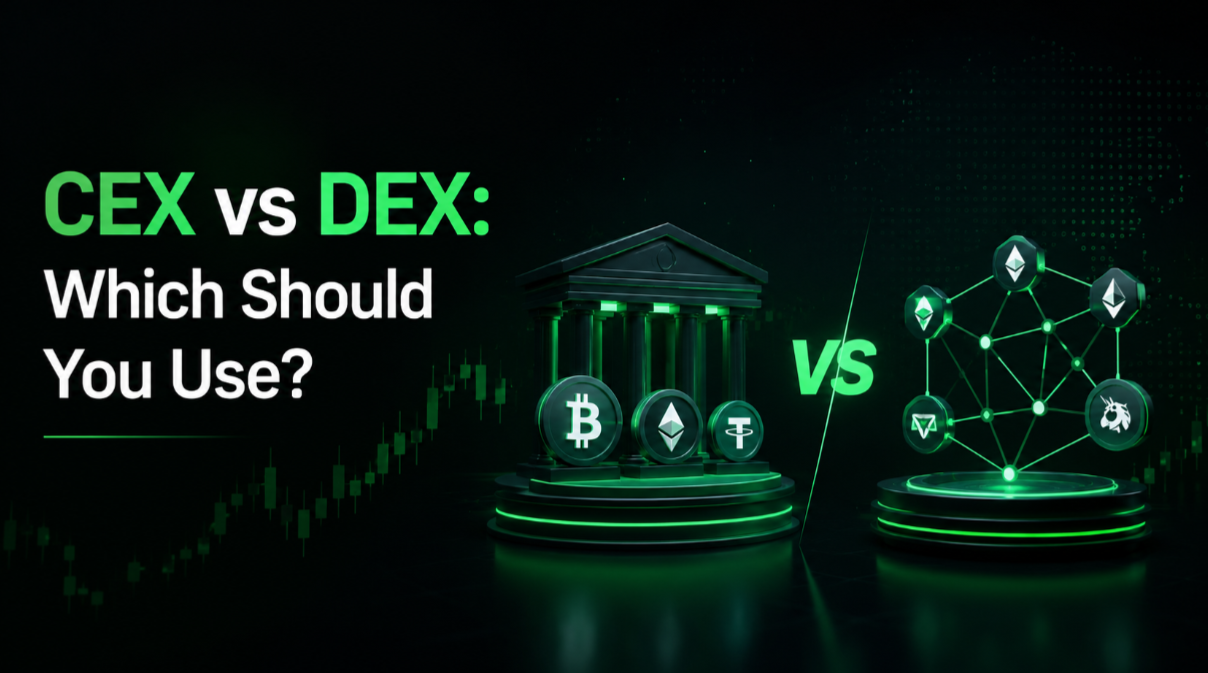
Instant exchangers fill a specific niche. They are handy when you already hold crypto and simply want to convert one asset to another without opening an account on a full exchange, transferring funds in, trading, and withdrawing. They can support a wide range of coins and reduce friction for a one-off swap. For someone who values speed and privacy over squeezing out the best possible price, the simplicity is the point. Our comparison of CEX vs DEX puts these services in context alongside centralized and decentralized trading venues.
They are also useful for swapping between coins that live on different blockchains, a task that can be awkward on a single exchange or decentralized venue. Because the service handles the routing behind the scenes, you do not have to manage the technical steps of bridging assets yourself. That convenience is genuinely valuable for occasional, straightforward conversions, but it is worth remembering that you are paying for the service to abstract away complexity, and that abstraction is where the cost hides.
What they cost
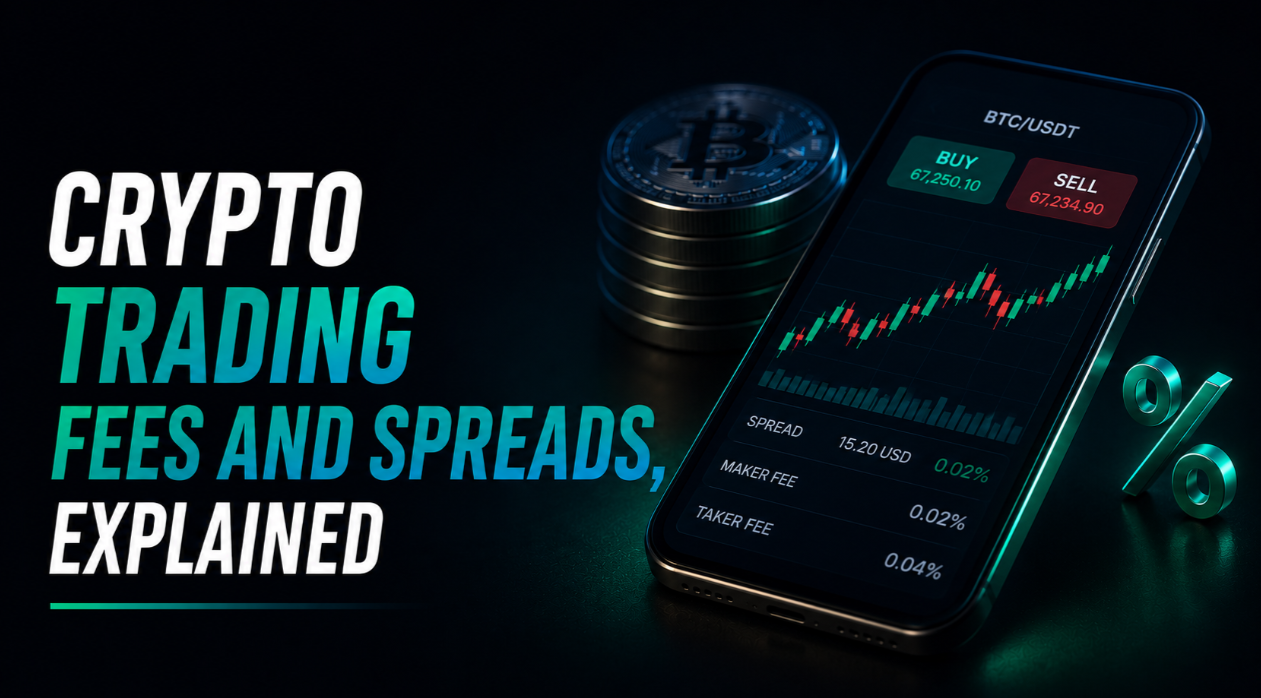
Instant exchangers rarely advertise a separate trading fee. Instead, their margin is usually built into the exchange rate you are quoted, so the price looks clean even though you are paying for the convenience. On top of that, you pay network fees to send your coins in and, sometimes, to receive them. For frequent conversions or larger amounts, this bundled cost can be higher than trading on a platform with transparent fees and tight spreads. It is worth comparing the effective rate against what you would get elsewhere. Our explainer on crypto trading fees and spreads helps you work out the true cost of any swap.
- Rate margin: the service's profit, folded into the quoted rate.
- Network fees: blockchain costs to send and receive the coins.
- Rate type: fixed rates cost a little more for certainty; floating rates carry price risk.
Choosing a service safely
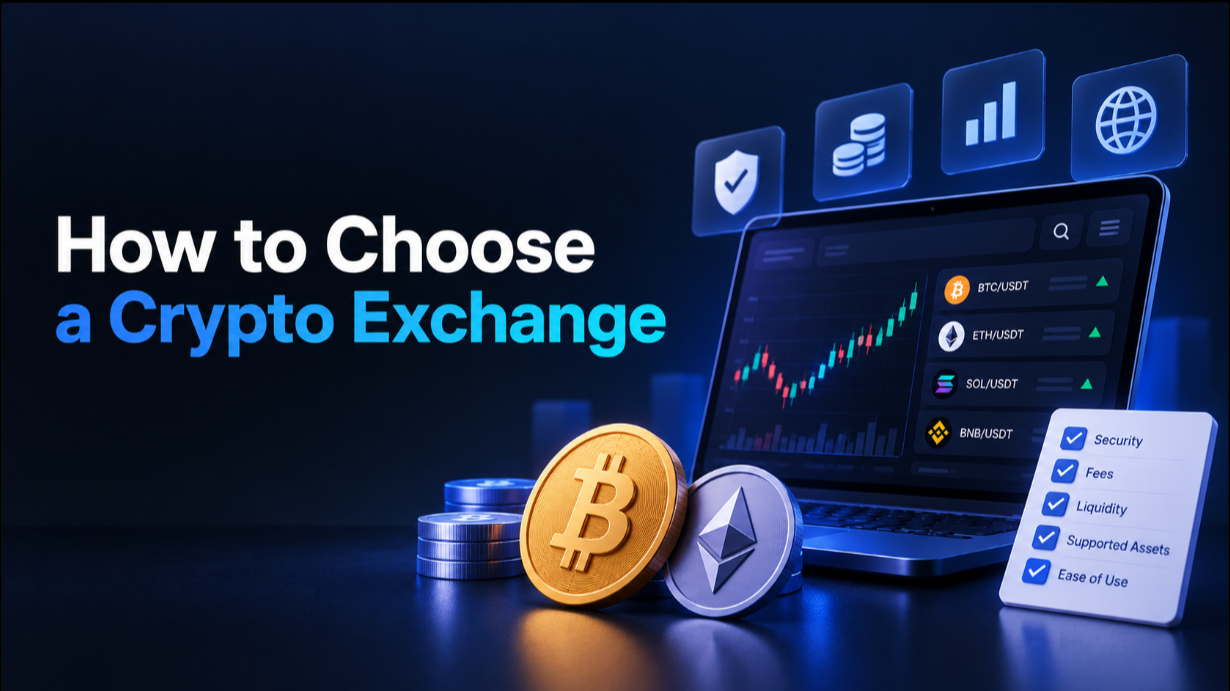
Because you send funds before you receive anything, the legitimacy of the service is everything. Stick to established exchangers with a track record, and be cautious of unknown sites promising unusually good rates. Comparing options against vetted lists of Instant exchangers is one of the safest ways to filter out imposters and unreliable operators. The same care you would apply when picking a trading platform, described in our guide to how to choose a crypto exchange, applies here too: verify the web address, avoid links from unsolicited messages, and start with a small test amount.
Risks and what to watch
The convenience of instant exchangers comes with real risks. Because you deposit first, a fraudulent or failing service could simply not deliver the second coin. Rates may be worse than they appear once the built-in margin is accounted for, and floating rates expose you to market moves between deposit and settlement. Some services require identity checks on larger swaps or flagged transactions, so "no account" does not always mean "no verification." And as with any on-chain activity, sending to the wrong address or network means irreversible loss.
- Delivery risk: you rely on the service to send the converted coins after you deposit.
- Hidden cost: the margin in the rate can exceed a transparent exchange's fees.
- Rate movement: floating rates can settle lower than the estimate you saw.
- Fake services: unknown sites with great rates are a common scam pattern.
Used carefully with a reputable provider, an instant exchanger is a convenient tool for quick conversions. For large amounts or frequent trading, a transparent exchange usually gives you better pricing and more recourse. The sensible rule of thumb is to treat instant exchangers as a tool for small, occasional conversions where saving time is worth a modest premium, and to reach for a full exchange when the amount is large enough that pricing and accountability matter more than speed. Read more foundational guides to decide which approach fits your needs.