CoinPulse
Raydium
Decentralized exchange· founded 2021

What Is Raydium? The Solana DEX, Its Pools, Fees and Launchpad

Raydium is a decentralized exchange (DEX) and automated market maker on Solana, live since February 2021 16. Users swap tokens or provide liquidity directly from a Solana wallet, and no company holds their funds. Raydium runs three pool programs (legacy AMM v4, the newer CPMM and concentrated-liquidity CLMM), a token launchpad called LaunchLab, and a perpetual-futures interface built on Orderly Network 147. Most swaps pay a 0.25% pool fee. 12% of trading fees go to buying back its RAY token 26.

Facts checked 11 cited sources No score on this page, no affiliate links

At a glance

Type
Non-custodial DEX / AMM on Solana
Live since
February 2021 6
Developer
Pseudonymous core team; no operating legal entity disclosed in the sources reviewed
Products
Swaps, AMM v4 / CPMM / CLMM pools, farms, Burn & Earn locker, LaunchLab, Raydium Perps 147
Token
RAY: fixed 555M max supply, mint disabled 6
Typical swap fee
0.25% on AMM v4 and default CPMM/CLMM pools; CLMM tiers 0.01%–4% 36
Perps availability
Not available to US residents or sanctioned regions 7
Official site
raydium.io · docs.raydium.io
Updated
October 19, 2026

How Raydium works

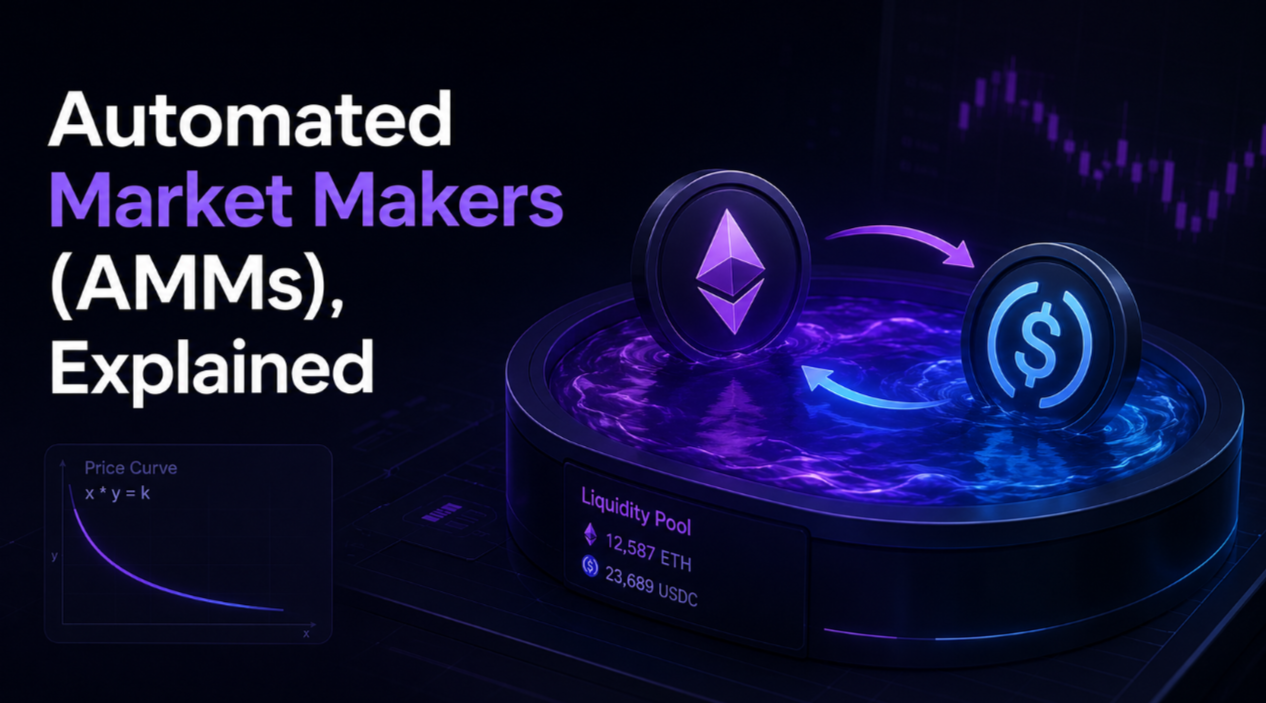
Raydium is an automated market maker: each pool holds two tokens, and the pool's formula sets the price as traders swap against it. Liquidity providers (LPs) deposit both tokens and earn most of the trading fees. A routing engine splits larger trades across pools for a better price, and the same router is available through Raydium's API and SDK 1.

Raydium runs three pool programs, and they behave differently for LPs 1:

Pool type How liquidity works Who it suits
AMM v4 (legacy) Constant-product pool across the whole price range Older pools; still widely routed
CPMM (standard) Constant-product, supports Token-2022 and multiple fee configs Most new pools, all LaunchLab graduates
CLMM (concentrated) LP chooses a price range; earns only while price is inside it Active LPs managing ranges

Anyone can create a pool or add farm incentives without permission. That openness is why Raydium hosts so many new Solana tokens, and also why scam tokens and rug pulls appear alongside legitimate assets. The Burn & Earn feature lets a project permanently lock its liquidity position while still collecting fees, which is one signal buyers can check 1.

Fees: what a swap costs

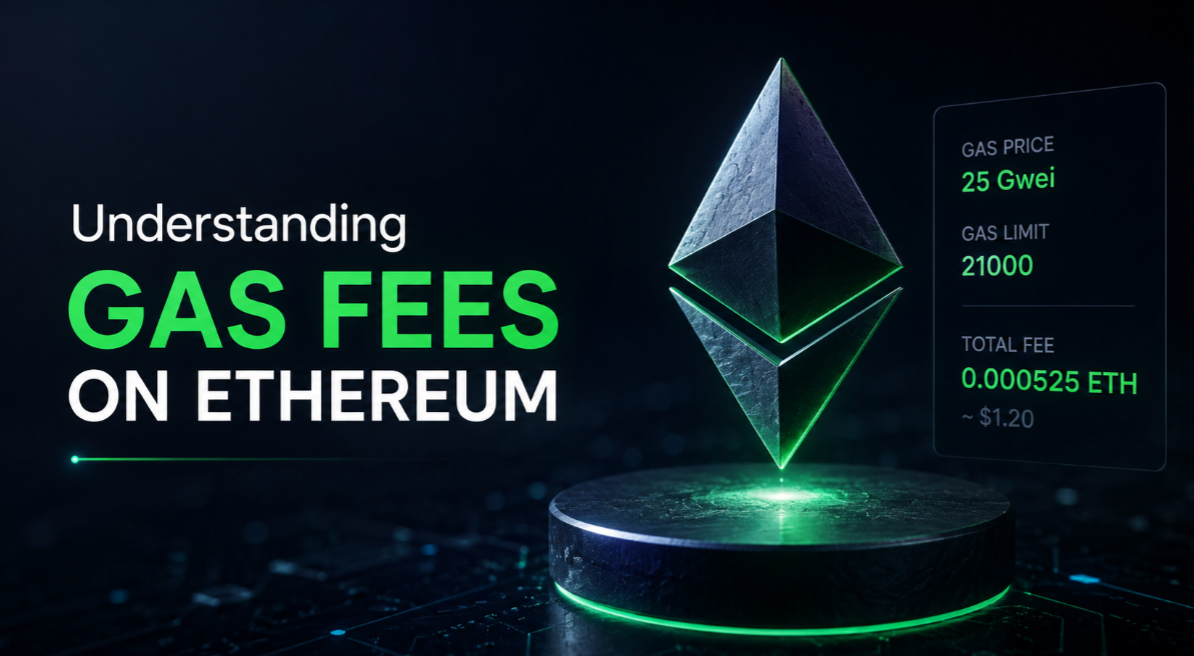
A swap on Raydium has two cost layers: the pool's trading fee, which traders pay, and the Solana network fee, which is usually a fraction of a cent.

  • AMM v4: fixed 0.25% per swap. 88% goes to LPs and 12% to RAY buybacks 26.
  • CPMM: 0.25% in the common configuration, split 84% LP / 12% buyback / 4% treasury. A pool may add a creator fee, for example 0.05%, on top 23.
  • CLMM: fee tiers from 0.01% to 4%, default 0.25%, same 84/12/4 split 26.
  • Pool creation: 0.15 SOL for AMM v4 and CPMM pools 2.

Illustrative example (assumptions stated): swapping $1,000 of SOL for a token through a single 0.25% pool costs $2.50 in pool fees. That figure excludes price impact (slippage), which depends on pool depth and can be far larger in thin, newly launched pools.

LaunchLab and token launches

LaunchLab, launched on April 16, 2025, lets anyone start a token on a bonding curve, so it can trade before a liquidity pool exists 5. Buyers pay into the curve in SOL, USDC or RAY, and the price rises as supply is bought 4. When a launch reaches its graduation target, the program seeds a CPMM pool with the curve's reserves and revokes the token's mint authority; after that, trading continues in the pool 4. Since a September 2026 upgrade, all new launches graduate into CPMM pools 4.

LaunchLab fees stack: a protocol fee (0.25% in Raydium's example config), a fee set by the launch platform built on LaunchLab, an optional creator fee (capped at 5%) and an optional referral fee 3. Because third-party launchpads set their own platform fee, the total on a bonding-curve trade can be well above a normal swap. Check the fee shown before buying.

LaunchLab followed Pump.fun's March 2025 decision to move graduating tokens from Raydium to its own DEX, PumpSwap. Before then, Pump.fun graduations had been a major source of Raydium volume 5.

Raydium Perps

Raydium Perps is a perpetual-futures interface built on Orderly Network's order book. Trades are gasless, and funds stay in the user's own Solana wallet 7. Raydium's docs state leverage of up to 50x, with USDC as the only collateral 7. Access is prohibited for residents of the United States and a list of sanctioned or restricted countries 7. Perpetual futures can be liquidated quickly at high leverage. That risk is separate from the spot DEX.

RAY token and buybacks

RAY has a fixed maximum supply of 555 million and its mint authority is disabled 6. It is used for staking and farm incentives. 12% of trading fees from Raydium pools fund open-market RAY purchases 2. According to Crypto Briefing, those buybacks had removed more than 30% of RAY's circulating supply by late August 2026 11. For live prices see RAY price and market data.

Program IDs (official)

Developers and careful users can confirm that a transaction calls Raydium's real programs. Raydium's documentation lists these mainnet IDs 8:

Program Mainnet program ID
Legacy AMM v4 675kPX9MHTjS2zt1qfr1NYHuzeLXfQM9H24wFSUt1Mp8
CPMM (standard AMM) CPMMoo8L3F4NbTegBCKVNunggL7H1ZpdTHKxQB5qKP1C
CLMM (concentrated) CAMMCzo5YL8w4VFF8KVHrK22GGUsp5VTaW7grrKgrWqK
Staking EhhTKczWMGQt46ynNeRX1WfeagwwJd7ufHvCDjRxjo5Q

Always compare against the current list at docs.raydium.io rather than a copy.

Security model and audits

Raydium is non-custodial, but some programs have admin authorities. The 2022 exploit happened because an admin key was stolen, not because of a flaw in the swap math 9. Solana Compass lists audits of Raydium programs by Kudelski Security (2021), OtterSec (2022), MadShield (2023–2024), Halborn (2024–2025) and Sec3 (2025–2026). It also notes that changes shipped from July to September 2026 came after the latest listed audit 6. Raydium runs a bug bounty on Immunefi with a maximum critical payout of $505,000 6. Audits reduce risk but do not guarantee safety.

For users, the practical risks are scam tokens in permissionless pools, high fees and volatility on bonding-curve launches, phishing sites that copy raydium.io, and leverage in Perps. Use a known Solana wallet, check token mint addresses, and never share a seed phrase.

Incident record

1 partly recovered

An attacker gained the private key of Raydium's pool-owner admin account (suspected trojan on the host machine)

Dec 16, 2022partly recovered
They used privileged functions (withdrawPNL, SetParams) to drain eight constant-product pools. CLMM pools and RAY staking were unaffected 9
Outcome
Partial: stolen funds not recovered, LPs reimbursed by Raydium
Loss
~$4.4M
Recovered or reimbursed
Stolen funds not recovered. Raydium compensated LPs from its buyback treasury and vested team RAY: 100% of principal for RAY pairs; for non-RAY pools, 90% in original tokens plus the remaining value and a 20% top-up in RAY
Source: raydium.medium.com

Hacks in DefiLlama’s public database are also scored as the security record on the Raydium rating page.

Questions about Raydium

Is Raydium the same as Pump.fun?
No. Pump.fun used to send graduating tokens to Raydium pools, but moved them to its own DEX, PumpSwap, in March 2025. Raydium now runs its own launchpad, LaunchLab 5.
Can US users use Raydium?
Raydium's Perps documentation explicitly prohibits US residents 7. Restrictions for the spot swap interface could not be confirmed from Raydium's Terms of Service in this update. Check the current terms before use.
Which Raydium pool should a new LP use?
CPMM and AMM v4 pools need no range management. CLMM pools earn fees only while the price stays inside your chosen range 1.
Does Raydium charge to create a pool?
Yes. Creating an AMM v4 or CPMM pool costs 0.15 SOL, plus network rent and fees 2.
Where can I see how CoinPulsePoint evaluates Raydium?

Raydium elsewhere on CoinPulse

Sources

  1. 1Raydium docs, overview —docs.raydium.io
  2. 2Raydium docs, "Protocol fees" —docs.raydium.io
  3. 3Raydium docs, "LaunchLab & CPMM fee reference" —docs.raydium.io
  4. 4Raydium docs, "LaunchLab overview" —docs.raydium.io
  5. 5Cointelegraph, "Raydium unveils memecoin creator LaunchLab" (Apr 17, 2025) —cointelegraph.com
  6. 6Solana Compass, "Raydium" —solanacompass.com
  7. 7Raydium docs, "Raydium Perps" —docs.raydium.io
  8. 8Raydium docs, "Addresses" —docs.raydium.io
  9. 9Raydium, "Detailed post-mortem and next steps" (Dec 17, 2022) —raydium.medium.com
  10. 10Raydium docs, "Transparency on exploit compensation funds" —docs.raydium.io
  11. 11Crypto Briefing, "Raydium token surges 61%" (Sept 6, 2026) —cryptobriefing.com

Other decentralized exchangesAll →

What changed on this page

  • 2026-10-19Rewritten as a full company profile. Added pool types (AMM v4, CPMM, CLMM), the official fee split and pool-creation fee, LaunchLab mechanics and its stacked fees, Raydium Perps and its US restriction, RAY supply and buybacks, and official program IDs. The December 2022 incident now shows the actual compensation terms. Removed the unverified founder pseudonyms and the "Is Raydium safe?" framing.
  • 2026-09-28Profile created: what Raydium is as a Solana DEX/AMM, how its pools and token launches work, and the safety picture — the December 2022 admin-key compromise (~$4.4M) with DAO-funded LP compensation, plus DEX-inherent and phishing risks.
All companies