An NFT marketplace is a platform where non-fungible tokens are minted, listed, discovered, bought and sold, acting as the storefront and settlement layer that connects buyers and sellers through their wallets. Instead of holding your funds the way a traditional shop or broker would, most marketplaces run on smart contracts: you keep custody of your assets in your own wallet, and the contract executes the trade when both sides agree. Understanding how these platforms operate, and how they differ, is the difference between trading confidently and getting caught out by fees, fakes or misleading data.
Key takeaways
- An NFT marketplace connects buyers and sellers and settles trades through smart contracts, not by holding your funds.
- Marketplaces differ on fees, supported blockchains, curation, and how they handle creator royalties.
- Reported volume and floor prices can be distorted by wash trading, so read them critically.
- Because you connect a self-custody wallet, verifying sites and reviewing approvals is your responsibility.
How an NFT marketplace works
At its core, a marketplace is an interface layered over blockchain smart contracts. When a creator mints a token, the marketplace helps deploy or interact with a contract that records the token and its owner. When you list an item for sale, you sign a message authorizing the contract to transfer it once a buyer pays. When someone buys, the contract swaps the token for payment atomically, meaning both sides of the trade happen together or not at all. Throughout, your assets stay in your wallet until the moment of settlement, which is why NFTs fit within the broader Web3 model of user-owned data. The marketplace's job is to make this discoverable and convenient, indexing listings, showing history and providing search, but the ownership record itself lives on the blockchain rather than in the platform's private database.
Primary vs secondary sales
Two kinds of transactions happen on these platforms. A primary sale is the first sale of a newly minted token, often directly from the creator. A secondary sale is any later resale between collectors. This distinction matters because creator royalties, when honored, are typically paid on secondary sales, and the economics of buying at mint differ from buying on the open market. A primary sale often carries the risk that a project never delivers on its promises, while a secondary purchase lets you judge an item against an existing track record of trades and holders.
Types of marketplaces
Not all marketplaces serve the same purpose. Broadly, they fall into a few categories:
- Open marketplaces: anyone can mint and list, offering huge selection but little curation and more fakes.
- Curated platforms: creators are vetted or invited, which raises quality and trust but limits supply.
- Niche or category-specific venues: focused on a single blockchain, game, or type of asset such as art, music or collectibles.
- Aggregators: tools that pull listings from several marketplaces so buyers can compare and sweep across them.
Because these models trade off selection, safety and cost differently, it is worth comparing them on independent criteria. Ratings of NFT marketplaces can help you weigh security history and fees before you connect a wallet.
Fees and royalties
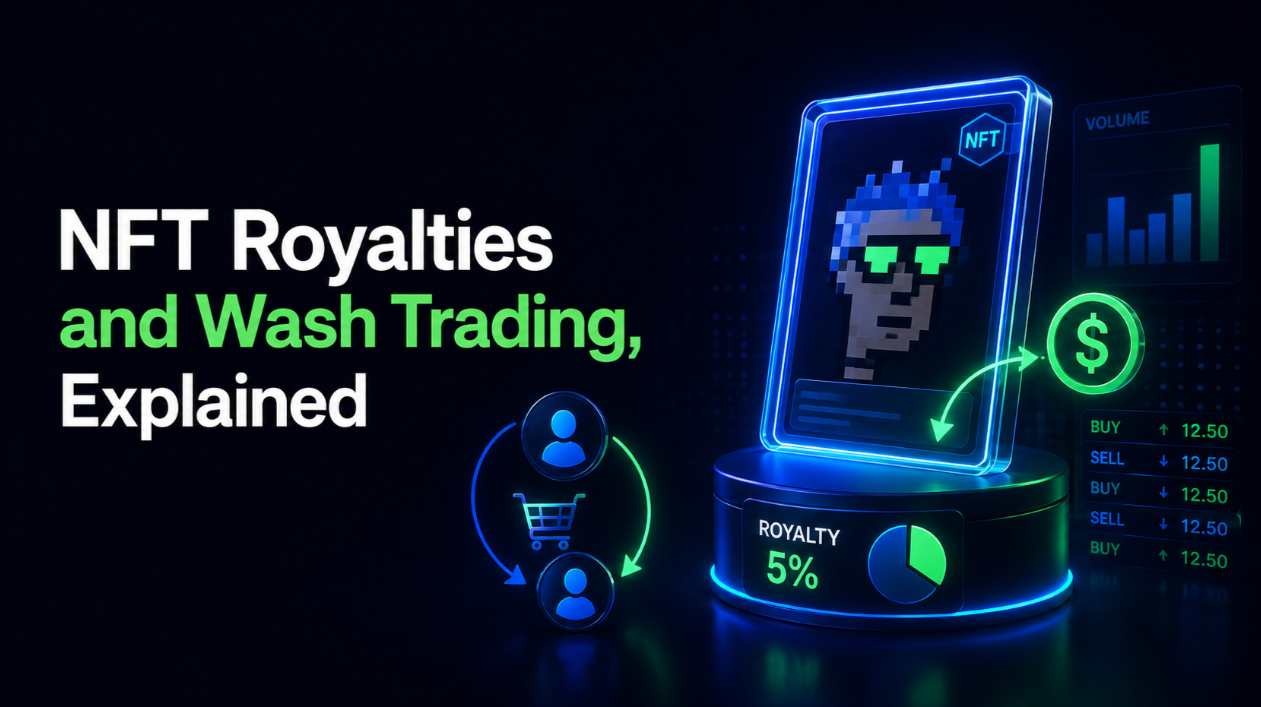
Every marketplace charges for the service, and the structure affects your returns. The common charges are a marketplace fee taken as a percentage of each sale, network gas fees paid to the blockchain to process transactions, and creator royalties intended to pay the original artist on resales. Royalties are the most contested piece. Historically many platforms enforced them automatically, but competition has pushed some to make royalties optional or to reduce them, since they are difficult to enforce purely at the contract level. For creators this changes the income model; for buyers it changes the true cost of a trade depending on where you transact.
Reading marketplace data critically
Marketplaces display metrics such as floor price, trading volume and number of holders. These numbers are useful but can mislead. The floor price, the lowest asking price in a collection, tells you the cheapest listing, not what items actually sell for or whether there are buyers at that level. Volume can be inflated by wash trading, where a seller trades an item between wallets they control to manufacture activity. Treat headline figures as starting points, cross-check sale history, and be skeptical of collections whose activity spikes without organic interest.
Risks and what to watch
Using an NFT marketplace puts you in direct contact with smart contracts and unverified listings, so a few risks deserve constant attention:
- Token approvals: listing or trading often requires signing an approval that lets the contract move your tokens. Grant only what is needed, and periodically revoke approvals you no longer use.
- Wash trading: fabricated volume can make a collection look liquid or valuable when it is not. Look past raw volume to genuine, distinct buyers.
- Royalty changes: the royalty a creator or collector expects can be reduced or made optional, altering the economics after the fact.
- Fake listings and copycats: collections with copied names and art are common; verify the official contract address before buying.
- Phishing sites: fraudulent clones of popular marketplaces exist. Bookmark the real site and never connect your wallet through unsolicited links.
Choosing where to trade
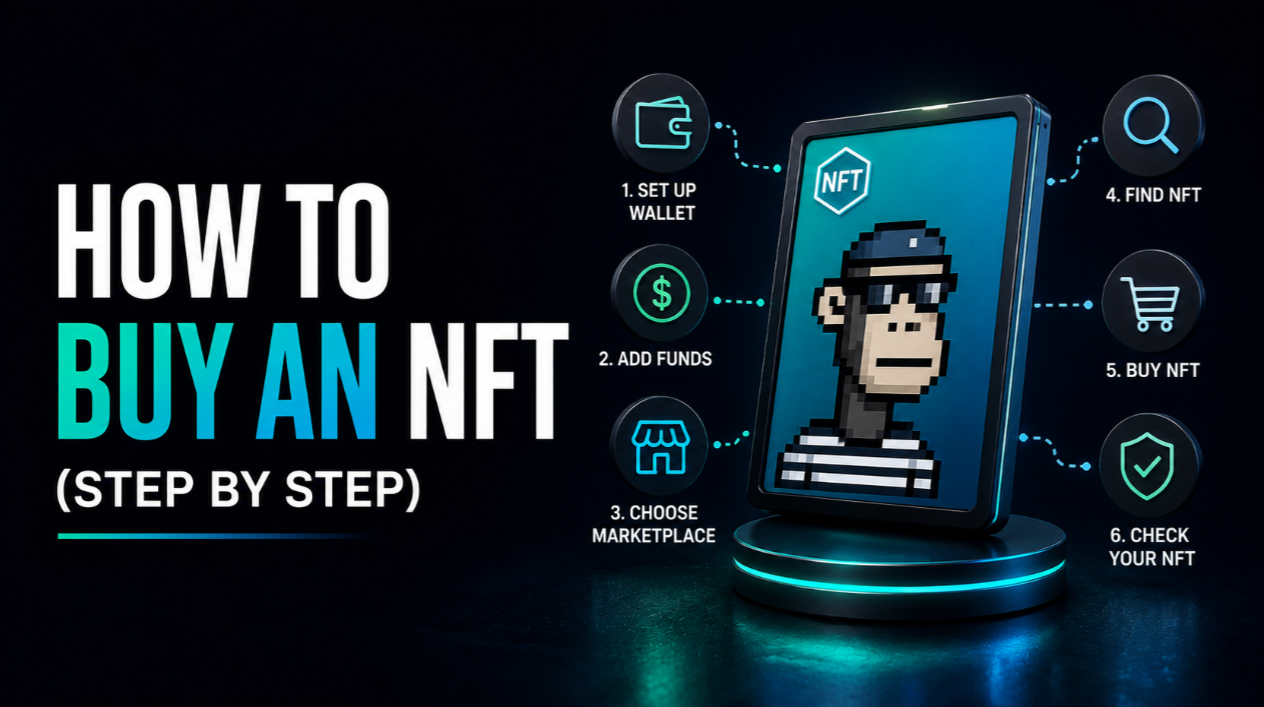
The right marketplace depends on what you are trading and how much you value curation versus selection. If you want breadth and are comfortable doing your own verification, an open platform gives you the widest choice. If you prefer vetted work and are willing to accept a smaller catalog, a curated venue reduces the chance of fakes. Either way, prioritize a platform with a solid security record and transparent fees over one with the flashiest interface, and check which blockchains it supports so it matches the assets you intend to trade. Before your first trade, it helps to understand the underlying assets by reading what NFTs are, and to follow a careful process using our walkthrough on how to buy an NFT. For more background across the ecosystem, our other guides cover wallets, security and Web3 in depth.