CoinPulse

What Is ether.fi? Liquid Staking, Liquid Vaults and the Cash Card

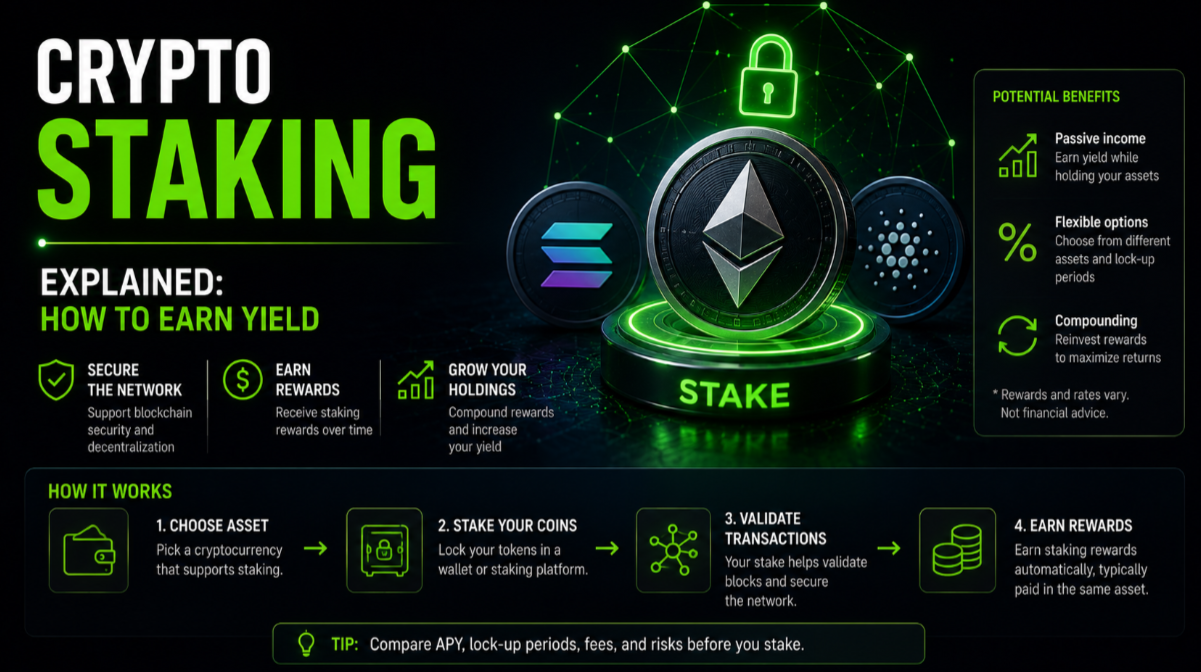
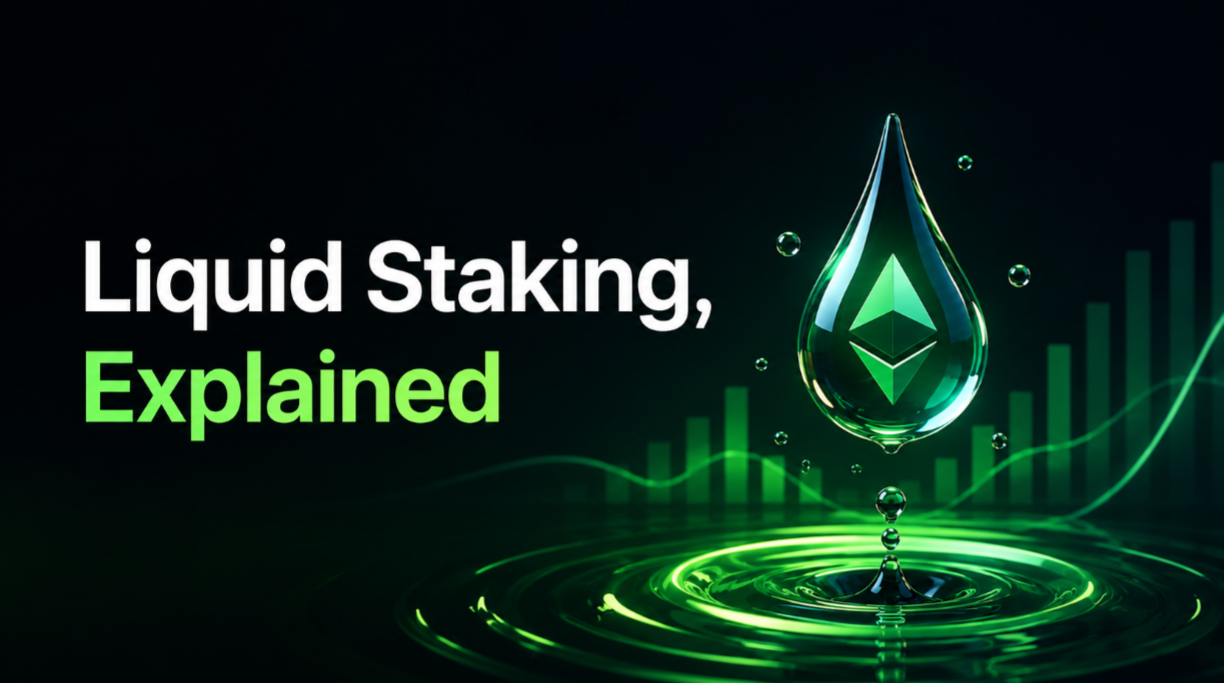
ether.fi is a crypto platform that started in early 2023 as an Ethereum liquid staking protocol 14. You deposit ETH and receive eETH or weETH, tokens that earn staking rewards and can be used elsewhere in DeFi 2. The company now calls itself a non-custodial "crypto neobank." It adds yield vaults (Liquid), borrowing against crypto, a trading section and a Visa card called ether.fi Cash 1. It also states that it is not a regulated financial institution. The staking protocol, the ETHFI governance token and the card program each sit with different parties. This profile treats them separately.

Facts checked 15 cited sources No score on this page, no affiliate links

At a glance

What it is
Liquid staking protocol plus a self-custodial spending, borrowing and yield app 1
Staking tokens
eETH (rebasing), weETH (non-rebasing wrapper) 2
Other products
Liquid vaults, Borrow, Markets, Cash Visa card; eBTC; beHYPE 12
Governance token
ETHFI; ether.fi Foundation executes token-holder decisions 12
Launched
Early 2023 (staking) 14; ETHFI trading from March 18, 2024 13
Leadership
Co-founder and CEO Mike Silagadze (as reported in 2024) 14
Card issuer
Third National, under Visa license; program entities Ether.Fi Cash Inc. and Ether.Fi Cash Ltd. 810
Custody
Non-custodial per company; card collateral stays in the user's custody per US card terms 18
Audits
Nine audit firms listed, plus a public Immunefi bug bounty 5
Official site
ether.fi
Profile updated
October 23, 2026

Who runs ether.fi

ether.fi's documentation does not list a leadership roster or legal operator for the staking protocol. A March 2024 analysis named Mike Silagadze as co-founder and CEO and placed the company and most of its team in the Cayman Islands. The same analysis reported a $5.3 million seed round in February 2023 and a $27 million Series A in February 2024 14.

Governance runs through ETHFI. Holders vote on grants, protocol fees, node operator approvals, staking incentives and treasury decisions. The ether.fi Foundation carries out those decisions 12. ETHFI started trading on Binance on March 18, 2024, after a Binance Launchpool campaign 13. One billion ETHFI were issued 14.

The card is a different setup. The cardholder agreements name Ether.Fi Cash Inc. and Ether.Fi Cash Ltd. as the program providers and Third National as the issuing bank 8910.

Staking: eETH and weETH

Staking is the original product. It works as a liquid staking pool:

  1. Deposit ETH through a supported ether.fi interface. You receive eETH or weETH, depending on the interface 2.
  2. Validators earn rewards. The protocol assigns pooled ETH to Ethereum validators run by node operators. Rewards come from the consensus and execution layers. They change over time and are not guaranteed 3.
  3. Hold or use the token. eETH is a rebasing token: your balance grows as rewards accrue. weETH is a wrapper whose balance stays fixed while its value in eETH rises. weETH is the version most DeFi apps accept 2.
  4. Redeem eETH or weETH for ETH through the ether.fi interface, or sell the token on the market (see "Getting ETH back") 3.

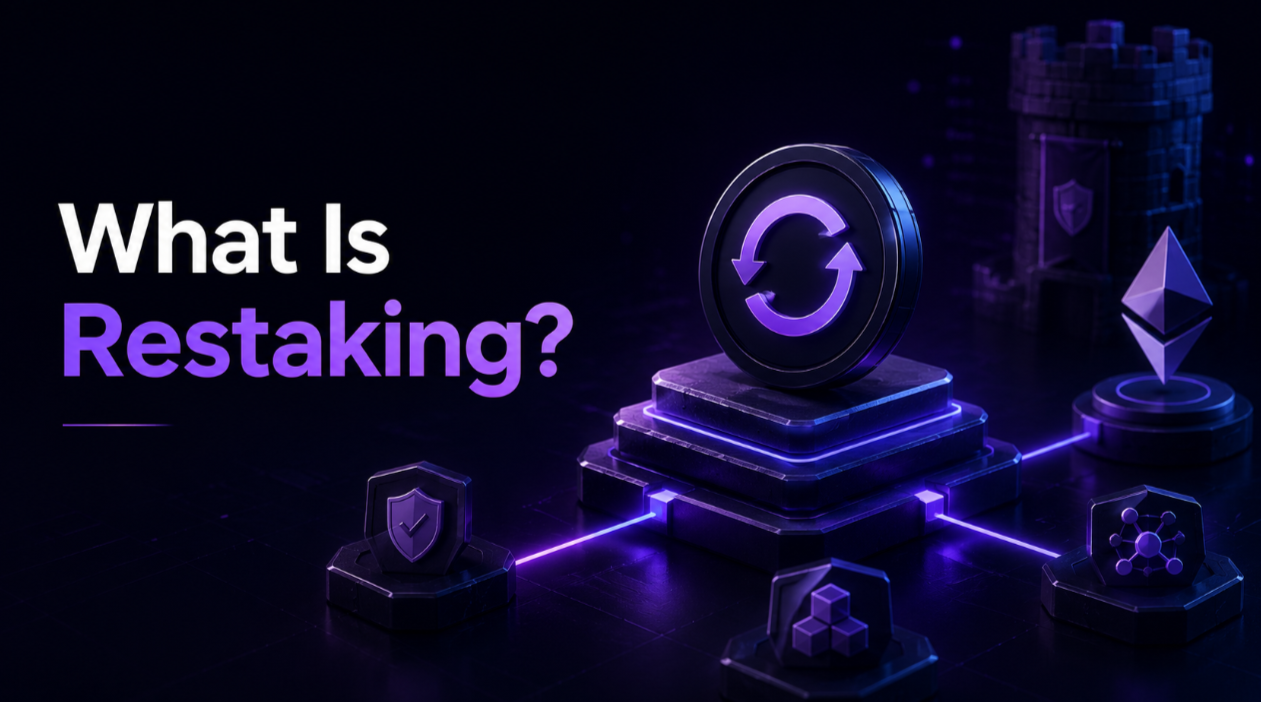
Restaking has been removed from eETH and weETH. ether.fi became known as a "liquid restaking" protocol on EigenLayer. Its docs now say eETH and weETH no longer bundle restaking rewards or EigenLayer slashing exposure. As of August 2026, under 1% of protocol assets were still restaked. The docs plan to finish the removal by the end of Q3 2026 and to remove EigenPod withdrawal credentials by Q4 2026 4. If you want restaking exposure, there is a separate, optional product: weETHs, a managed strategy built on weETH and Symbiotic, with its own risks and liquidity terms 2.

ether.fi also offers eBTC (liquid restaked bitcoin) and beHYPE (liquid staking for HYPE on Hyperliquid) 2.

Rewards and costs

The docs pages checked do not publish a protocol fee percentage on staking rewards 23. Check the current net rate in the app instead of relying on a quoted APY. Other costs:

  • Ethereum gas for staking, wrapping and redeeming.
  • Any market discount if you sell eETH or weETH instead of redeeming.
  • Separate fees on Liquid vaults and weETHs, set per strategy.

Getting ETH back

Redemption has no fixed timeline. According to the docs, it depends on available protocol liquidity, Ethereum's validator withdrawal process, withdrawal demand and network conditions 3. Selling weETH on a DEX is faster, but you get the market price, which can drop below the ETH value when markets are stressed.

Liquid vaults, Borrow and Markets

  • Liquid (Earn): vaults that put ETH, BTC, stablecoins and real-world assets into managed DeFi strategies. Their architectures are documented separately (Veda and Midas vaults) 1. Vault returns depend on the strategies, so they carry more smart-contract, market and counterparty layers than plain staking.
  • Borrow: you borrow against crypto held in your account. Each asset has two limits: a Product LTV, which caps new borrowing, and a higher collateral factor, which sets the liquidation point. Your health factor equals collateral value × collateral factor ÷ debt. Below 1.00, liquidators can repay part of the debt and take a bonus out of your collateral 11. Current per-asset parameters are published on the Lending Market Parameters page and shown in the app.
  • Markets: buy and sell crypto, tokenized stocks and metals. Tokenized stocks and metals are not available in the US and some other markets 1.

ether.fi Cash card

ether.fi Cash is a Visa card linked to your ether.fi account 1.

  • Issuer and providers. Third National issues the card under a Visa license. Ether.Fi Cash Inc. provides it in the US. The international agreement adds Ether.Fi Cash Ltd. and says the international card is prohibited for US persons 8910.
  • How spending is funded. The US agreement describes a credit account with "no set line of credit." Your crypto serves as collateral, which the agreement says stays in your custody. Ether.Fi Cash Inc. never takes custody of it 8. The app offers two ways to pay: Direct Pay, which spends your balance, and Borrow mode, which borrows against your assets so you don't have to sell them 1. If you use Borrow mode, the Borrow liquidation rules above apply.
  • Fees. The international agreement sets a 1% base foreign transaction fee. Depending on tier, up to 0.50% (Core) or 0.25% (Luxe) can be added on top 9. ATM use counts as a cash advance under the US terms 8. Annual, late and other fees are listed in a separate fee schedule, not in the agreement text.
  • Cashback. Rewards are paid in tokens, and you have to claim them. Rates vary by region and membership level and are shown in the app. ATM withdrawals, P2P payments and gift cards do not earn cashback. Unclaimed rewards can expire after six months of account inactivity 10.

Security and risks

  • Audits and bounty. The docs list audits by Certora, CertiK, Decurity, Halborn, Nethermind, Omniscia, Paladin, Solidified and Zellic. The staking contracts have been reviewed since February 2023, most recently by Certora on June 28, 2026. Cash modules were reviewed by Certora and Paladin. A public bug bounty runs on Immunefi 5. An audit lowers risk but does not guarantee safety.
  • Admin control. Multisigs govern the protocol, and their signer configurations are published 6. Signers can change or pause contracts within their permissions.
  • Validator and slashing risk from node operator mistakes 3.
  • Liquidity risk. Redemptions can slow down when many users exit at once, and eETH/weETH can trade below ETH 3.
  • Layered risk in Liquid vaults, weETHs and Borrow, including liquidation 211.
  • Card risks. Account freezes, cash-advance treatment of ATM use, and FX charges 89.
  • Phishing. Use ether.fi and help.ether.fi only, and never share a seed phrase.

Incident record

1 outcome unclear1 funds not affected

No exploit of ether.fi's staking or Cash contracts was found in the docs, audit list and reporting checked

—outcome unclear
ether.fi publishes an incident-response policy (effective Nov 24, 2024) but no incident log
Outcome
No incident on record in sources checked
Loss
—
Recovered or reimbursed
—
Source: etherfi.gitbook.io

The KelpDAO rsETH bridge exploit (~$292M) hit DeFi lending markets

Apr 2026 (context)funds not affected
It is often searched together with "ether.fi," but it involved Kelp's rsETH, not ether.fi's contracts
Outcome
Not applicable to ether.fi
Loss
Not an ether.fi loss
Recovered or reimbursed
n/a
Source: cryptobriefing.com

Hacks in DefiLlama’s public database are also scored as the security record on the ether.fi rating page.

Questions about ether.fi

Is ether.fi custodial?
The company describes its products as non-custodial 1. The US card terms say card collateral stays in your custody 8. Staked ETH sits in protocol contracts controlled by multisig-governed code, so you are still exposed to smart-contract and admin-key risk 6.
What is the difference between eETH and weETH?
Both earn the same staking rewards. eETH's balance grows. weETH's balance stays fixed while its value rises, which is why most DeFi apps use weETH 2.
Does ether.fi still do restaking?
Not within eETH and weETH. Bundled EigenLayer restaking was being wound down in 2026, and the optional weETHs strategy is how you get restaking exposure now 24.
Can US residents get the ether.fi Cash card?
A US cardholder agreement exists with Ether.Fi Cash Inc. and Third National. The international card is not available to US persons 89. Eligibility is confirmed during signup.
Where do I find ether.fi's contract addresses?
On the Contracts & Integrations page in the official documentation. Do not use addresses posted in social replies or ads.

ether.fi elsewhere on CoinPulse

Sources

  1. 1[ether.fi documentation — overview]()etherfi.gitbook.io
  2. 2[Staking — ether.fi docs]()etherfi.gitbook.io
  3. 3[Ethereum Staking — ether.fi whitepaper]()etherfi.gitbook.io
  4. 4[weETH / eETH — ether.fi docs]()etherfi.gitbook.io
  5. 5[Audits — ether.fi docs]()etherfi.gitbook.io
  6. 6[Security & Risks — ether.fi docs]()etherfi.gitbook.io
  7. 7[Incident Management — ether.fi docs]()etherfi.gitbook.io
  8. 8[ether.fi Cash Cardholder Agreement, Inc. (U.S.)]()etherfi.gitbook.io
  9. 9[ether.fi Cash Cardholder Agreement, Inc. (International)]()etherfi.gitbook.io
  10. 10[ether.fi Cash Cashback Rewards Program]()etherfi.gitbook.io
  11. 11[Borrowing Power, Health Factor and Liquidation — ether.fi docs]()etherfi.gitbook.io
  12. 12[ether.fi governance docs]()etherfi.gitbook.io
  13. 13[ether.fi expedites roadmap, will launch token — The Defiant]()thedefiant.io
  14. 14[EtherFi (ETHFI): analysis — The Big Whale]()thebigwhale.io
  15. 15[KelpDAO bridge hack drains $292M — Crypto Briefing]()cryptobriefing.com

Other staking providersAll →

What changed on this page

  • 2026-10-23Profile created.
All companies