No publicly reported exploit of Scatter's platform or contract factories found in sources reviewed on October 23, 2026
—not recovered- Outcome
- None on record
- Loss
- —
- Recovered or reimbursed
- —
Scatter, at scatter.art, is an NFT launchpad. Artists use it to deploy their own NFT collection contracts without writing code, and collectors use it to mint, buy and sell those NFTs 12. The creator owns the contract Scatter deploys, not Scatter. Scatter takes a cut of paid mints, 5% on most chains 2. Collections can launch on Ethereum and 11 other networks, including Base, Abstract and ApeChain 4. The Block has described it as a "Milady-themed" launchpad, known for collections from that art scene 11.
Scatter is a self-serve tool for launching NFT collections. It sits between a creator's artwork and the blockchain. You upload images and metadata, set prices and mint lists, and Scatter deploys a smart contract through its contract factories 2. If you are new to the format, start with what an NFT is.
The platform's docs carry a "Gum Inc." copyright line 10. Scatter does not publish founders' names or a company address. The Block reported that the platform got its name in November 2021. It also reported that its pseudonymous COO, Haiku, stepped down on January 1, 2025. Another pseudonymous contributor, Three, replaced Haiku 11.
Creating a collection on Scatter takes a few fixed decisions 5:
Scatter's ERC-721 contracts mint tokens in order, starting at ID 1 5. Mint proceeds collect in the contract. The creator withdraws them from the collection's edit page 6.
Before a real launch, Scatter suggests testing on Ethereum Sepolia. It is the only testnet the platform supports. Tests there avoid the deploy fee and stay out of public search 4.
Creators can switch on an on-chain affiliate program that Scatter calls "shills." A shill gets a personal mint link and earns a share of proceeds, up to 50%. Creators can also offer buyers a discount of up to 50% through those links 7. Scatter's docs say shills must disclose that their links are paid 7.
Scatter's fees fall on mints, not on deployment, apart from a small anti-spam charge. All figures come from Scatter's docs as of October 23, 2026:
| Fee | Who pays | Amount |
|---|---|---|
| Platform fee on paid mints | Taken from the mint price (creator's proceeds) | 5% on most chains; varies by chain 2 |
| Minimum platform fee, public lists | Added to the minter's cost | About $1 per token, for contracts deployed after Sep 1, 2026 3 |
| Private free lists (Charms) | — | No platform fee; gas only 3 |
| Deploy fee | Creator | About $2, to deter spam 4 |
| Network gas | Whoever sends the transaction | Varies by chain; see network fees |
The minimum fee is priced in the chain's native token. Scatter updates it every 15 minutes, so the charge can drift slightly above or below $1 3. In practice, a "free" public mint on a post-September 2026 contract costs about $1 per token plus gas. Scatter's docs reviewed here do not state separate fees for secondary sales on its marketplace.
Scatter lists 12 networks: Ethereum, Base, ApeChain, Abstract, Polygon, Arbitrum, Ink, MegaETH, Robinhood Chain, Mantle, Hyperliquid and Monad 4. Collections from all chains appear together on the site. Your wallet must switch to the right network before minting 4. Scatter says its contracts work with other marketplaces and aggregators, so a collection is not locked to Scatter 2. For how listings and sales work across platforms, see how NFT marketplaces work.
Scatter is not a custodian. Collectors mint from their own wallets, and creators own their contracts and withdraw funds themselves 26. Some facts to weigh:
Hacks in DefiLlama’s public database are also scored as the security record on the Scatter rating page.
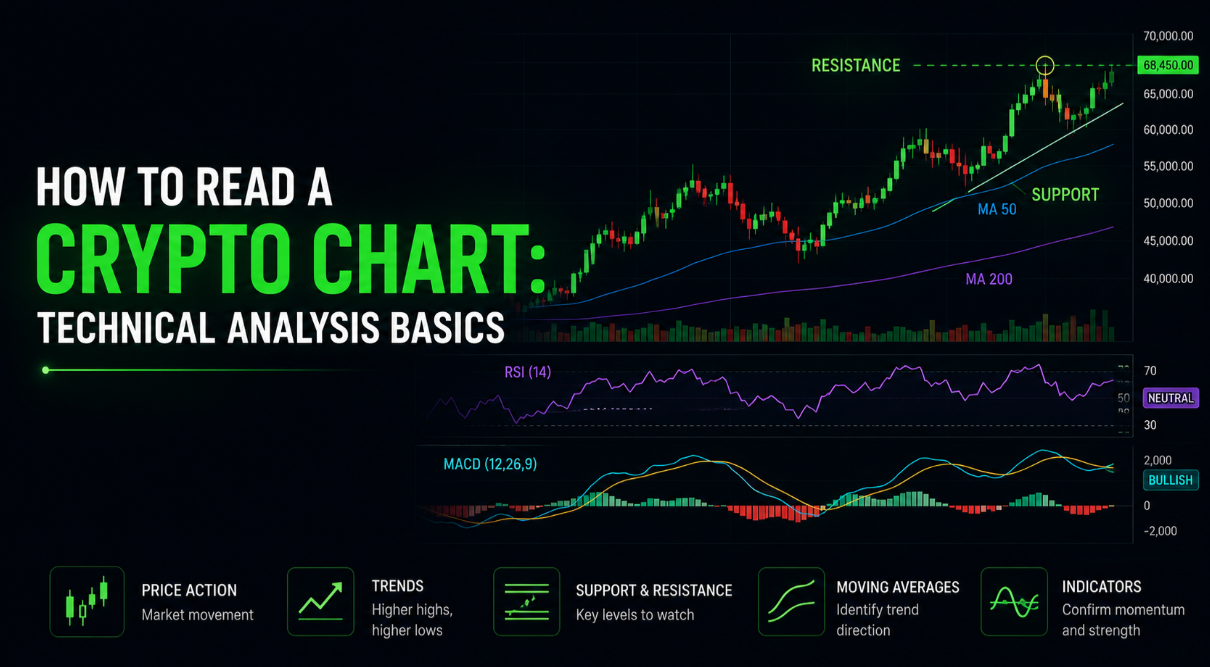 TradingHow to read a crypto chart: technical analysis basicsLearn to read a crypto chart from candlesticks to trendlines, with beginner-friendly technical analysis basics you can apply on any exchange.8 min read·
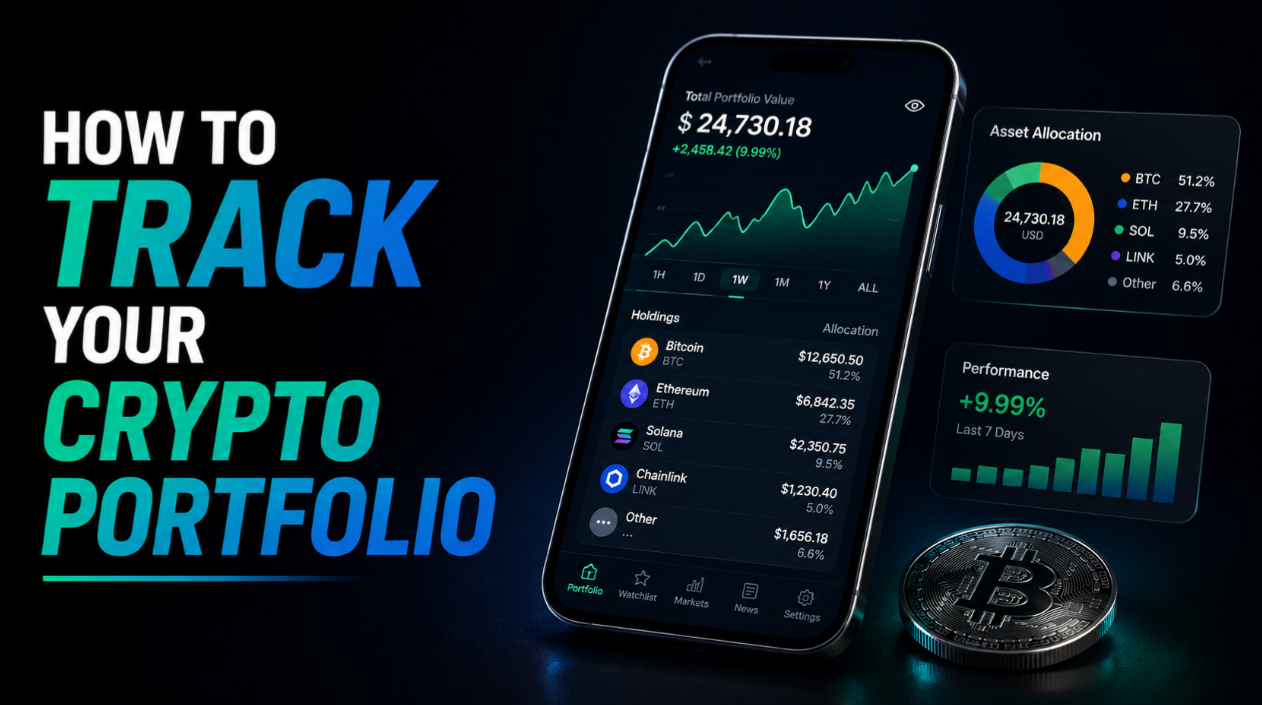 Taxes & CardsHow to Track Your Crypto PortfolioA crypto portfolio tracker gathers your holdings across wallets and exchanges into one view so you can see value, performance, and tax data clearly.5 min read·
 RegulationBitcoin ETF Outflows Weigh on Market as Interactive Brokers Launches Ethereum StakingSpot Bitcoin ETFs recorded $65.4 million in net outflows as hawkish Federal Reserve comments pressured prices. Meanwhile, Interactive Brokers rolled out Ethereum staking for eligible US clients.4 min read·
 MarketsCFTC Opens Retail Crypto Leverage Rulemaking as Bitcoin Holds Near $84KThe CFTC has begun a rulemaking on leveraged retail crypto trading, while Bitcoin hovers near $84,000 and traders wait for U.S. inflation data and the Fed’s October meeting.4 min read·
 MarketsUS Moves $1B in Seized Bitcoin as Senate Scrutiny of Tether GrowsU.S.-linked wallets shifted 12,267 BTC from a Bitfinex hack seizure address without any exchange deposit, while Senator Richard Blumenthal pressed Cantor Fitzgerald over its Tether partnership.3 min read·
In our ratings: See CoinPulse's Scatter rating and evidence · NFT & AI tool ratings