CoinPulse
Mantle (mETH / restaking)

What Is mETH Protocol? Mantle's mETH Staking and cmETH Restaking

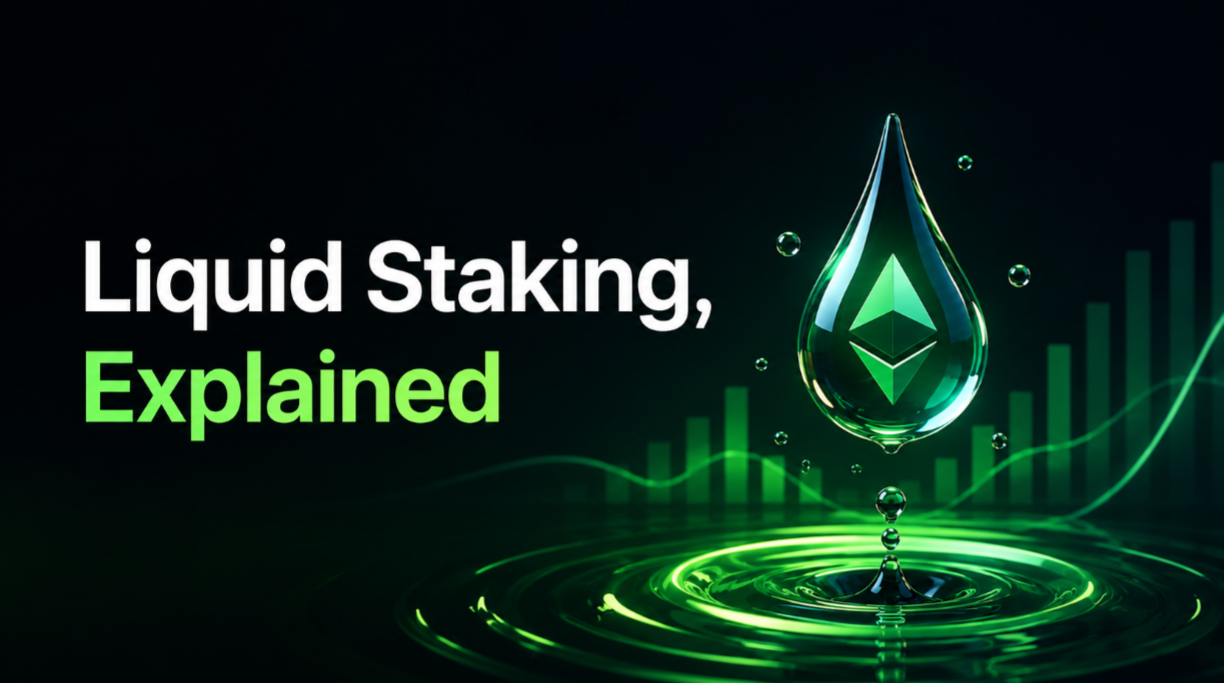
mETH Protocol is an Ethereum liquid staking and restaking protocol built by Mantle, the team behind the Mantle layer-2 network 12. You stake ETH and receive mETH, a token whose value in ETH rises as staking rewards accrue; you can then convert mETH 1:1 into cmETH to put it to work in restaking protocols such as EigenLayer and Symbiotic 34. The protocol keeps 10% of staking rewards and 20% of restaking rewards 34. Its Terms exclude US users 5. When checked on 23 October 2026, DefiLlama showed about $589 million in the staking product and $39 million in restaking 67.

Facts checked 8 cited sources No score on this page, no affiliate links

At a glance

What it is
ETH liquid staking (mETH) and liquid restaking (cmETH) 34
Built by
Mantle; follows Mantle governance 12
Legal parties
Terms: mETH Protocol Limited (Hong Kong law); MiCA white papers: MantleLSP Limited, BVI 35
Node operators
P2P, Blockdaemon, Kraken Staked, A41 3
Fees
10% of mETH staking rewards; 20% of cmETH restaking rewards 34
Restaking venues
EigenLayer, Symbiotic 4
Chains
Ethereum; tokens bridged to Mantle and HyperEVM via LayerZero 34
Restricted
United States and sanctioned jurisdictions 5
Value locked (DefiLlama)
~$589M mETH; ~$38.7M restaking (23 Oct 2026) 67
Last checked
23 October 2026

How mETH works

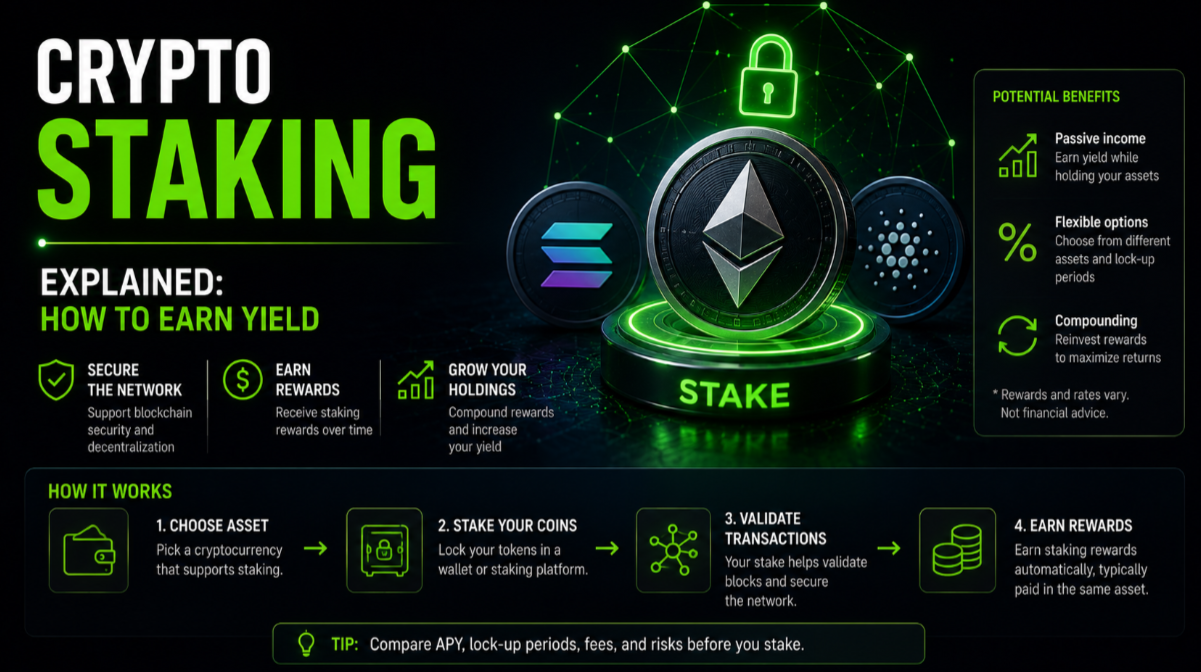
mETH is a receipt for ETH staked through the protocol 13. When you deposit ETH in the official app, the protocol mints mETH at the current mETH/ETH exchange rate and stakes the ETH with validators run by its node operators, currently named as P2P, Blockdaemon, Kraken Staked and A41 3. You receive fewer mETH than the ETH you deposit once the rate has risen, because each mETH represents a growing amount of ETH as rewards accrue; see how liquid staking works.

The rate is set by the protocol, so staking or unstaking directly has no slippage. Buying or selling mETH on an exchange is different: the market sets the price and large trades can move it 1. An oracle committee (a 3-of-6 quorum updating every 8 hours) reports validator balances, and separate roles exist for pausing the system and for the Mantle Security Council 1.

mETH Protocol's site says it lends part of its ETH, about 30%, into Aave's ETH market to support withdrawals and add yield 2. That allocation adds Aave's smart-contract and liquidity risk to the position.

cmETH and Mantle Restaking

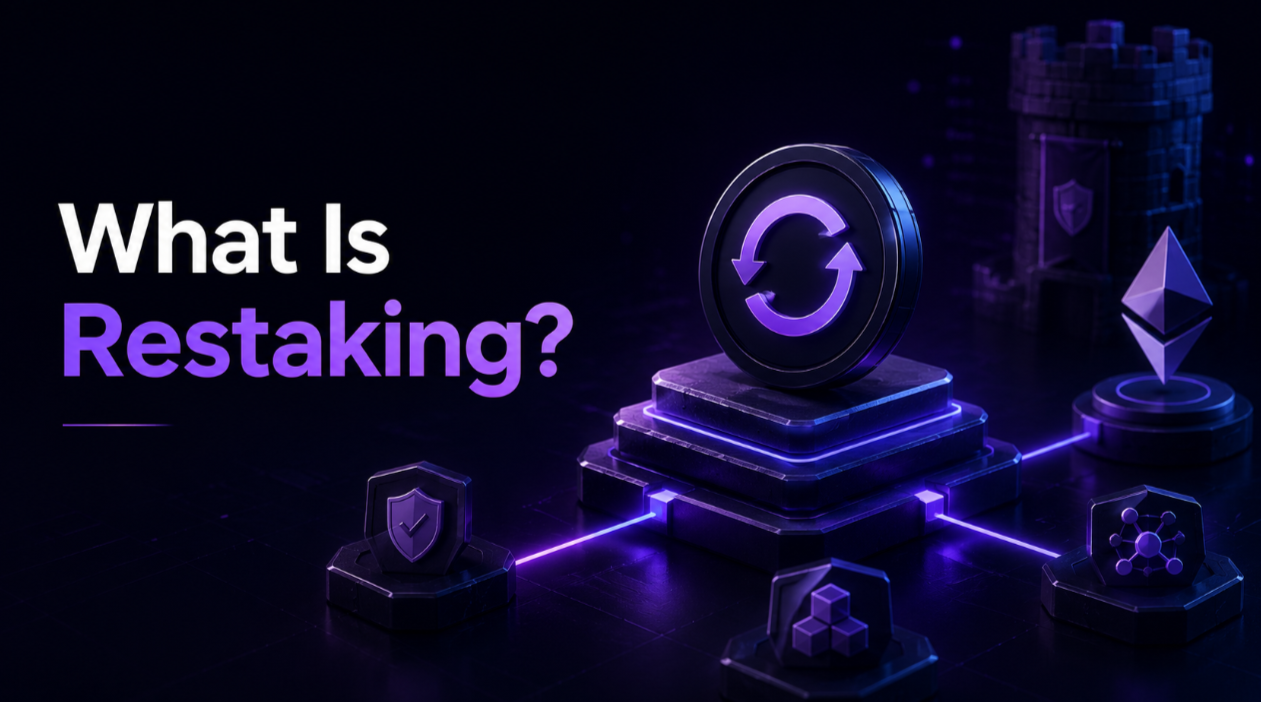
cmETH is a 1:1 receipt for mETH that has been restaked 4. Restaking means reusing staked ETH to secure additional services (often called AVSs) in exchange for extra rewards; see what restaking is. mETH Protocol's white paper names EigenLayer and Symbiotic as restaking venues and says it delegates only to vaults that do not add slashing risk, a company statement CoinPulse has not verified 4. DefiLlama tracks this product separately as Mantle Restaking 7.

cmETH can be redeemed 1:1 for mETH, but redemptions follow the exit timelines of the underlying restaking protocols, so they can take longer than unstaking mETH 4.

Fees

The protocol takes 10% of mETH staking rewards and 20% of cmETH restaking rewards, and both are built into the displayed rate rather than charged separately 34. For example, if validators earned 3% a year on the staked ETH, mETH holders would see about 2.7% after the 10% fee (illustrative). Ethereum gas applies to every deposit, conversion and withdrawal. The Terms allow new fees with reasonable notice 5.

Unstaking and withdrawals

There are three ways out, per the protocol's own documents 234:

  1. Standard unstaking. Burn mETH and wait for Ethereum's validator exit queue. Timing depends on network-wide demand and is not fixed.
  2. Faster redemption. The site describes an instant buffer for small redemptions (about 1 to 5 minutes) and an Aave-backed route for larger ones (about 24 hours, "conditions apply") 2. The MiCA white paper lists a reliable sub-24-hour route for large redemptions as a future milestone, so treat fast exits as subject to available liquidity 3.
  3. Sell on the market. Swap mETH or cmETH on a centralized or decentralized exchange, at the market price.

cmETH redemptions also include a delay; it was an 8-hour withdrawal delay that let the team stop stolen cmETH from being withdrawn in February 2025 8.

Who can use it

mETH Protocol's Terms bar users in the United States, North Korea, Cuba, Iran, Syria and Russian-controlled regions of Ukraine, as well as sanctioned persons, and are governed by Hong Kong law 5. mETH and cmETH are also listed and integrated across many venues; the protocol names Bybit, Kraken, Pendle, Ethena and Fireblocks among more than 40 partners 2. Access through those venues follows each venue's own rules.

Risks and security

  • Smart-contract risk in mETH Protocol's contracts, the LayerZero bridge used for Mantle and HyperEVM versions, and Aave 23. The site lists audits by Hexens, Secure3, MixBytes, Quantstamp, Veridise and BlockSec 2; audits do not guarantee safety.
  • Slashing risk if a validator misbehaves; the protocol says it has had no slashing incidents to date 2.
  • Restaking risk from AVS rules and exit delays on EigenLayer and Symbiotic 4.
  • Liquidity and depeg risk: mETH can trade below its redemption value when exits are slow.
  • Governance and admin control: guardians can pause contracts, which protected funds in 2025 but also means withdrawals can be halted 18.

Incident record

1 not recovered1 outcome unclear

Attackers behind the Bybit exchange hack held 15,000 cmETH (~$43M) and tried to withdraw it

21–22 Feb 2025outcome unclear
The 8-hour withdrawal delay let mETH Protocol pause the contract
Outcome
Recovered: the cmETH was moved to a recovery address. mETH Protocol itself was not exploited; this was stolen Bybit collateral
Source: theblock.co

No exploit of mETH Protocol's contracts found in the sources reviewed

—not recovered
Outcome
None on record as of 23 Oct 2026; absence from sources checked does not prove none occurred
Source: defillama.com

Hacks in DefiLlama’s public database are also scored as the security record on the Mantle (mETH / restaking) rating page.

Questions about Mantle (mETH / restaking)

What is the difference between mETH and cmETH?
mETH represents staked ETH. cmETH is mETH that has been restaked through EigenLayer or Symbiotic, earning restaking rewards with a 20% fee and longer exits.
Who runs mETH Protocol?
It is built by Mantle and follows Mantle governance. The Terms name mETH Protocol Limited; its EU disclosures name MantleLSP Limited in the British Virgin Islands.
Can US residents use mETH Protocol?
No. The Terms list the United States as an excluded jurisdiction.
How long does unstaking mETH take?
Standard unstaking follows Ethereum's validator exit queue. Faster routes depend on buffer and Aave liquidity, and selling on an exchange is immediate but at market price.
Is mETH the same as the MNT token?
No. MNT is the Mantle network's token; mETH is a receipt for staked ETH.

See CoinPulse's rating and evidence for mETH Protocol and for Mantle Restaking. Related: liquid staking, liquid restaking, what a layer 2 is.

Mantle (mETH / restaking) elsewhere on CoinPulse

Sources

  1. 1[Mantle docs — mETH](), accessed 23 Oct 2026docs.mantle.xyz
  2. 2[mETH Protocol — homepage](), accessed 23 Oct 2026methprotocol.xyz
  3. 3[mETH Protocol — MiCA white paper (mETH)](), published 15 May 2026methprotocol.xyz
  4. 4[mETH Protocol — MiCA white paper (cmETH)](), published 15 May 2026methprotocol.xyz
  5. 5[mETH Protocol — Terms](), effective 4 Jul 2024app.methprotocol.xyz
  6. 6[DefiLlama — mETH Protocol](), accessed 23 Oct 2026defillama.com
  7. 7[DefiLlama — Mantle Restaking](), data 23 Oct 2026defillama.com
  8. 8[The Block — mETH Protocol announces $43 million recovery from Bybit hack](), 22 Feb 2025theblock.co

Other liquid stakingAll →

What changed on this page

  • 2026-10-232026-10-23 — Profile created.
All companies