No publicly reported hack or exploit of the Unit protocol found in sources reviewed on October 23, 2026
—not recovered- Outcome
- None on record
- Loss
- —
- Recovered or reimbursed
- —

Unit, often called Hyperunit after its domain, is a protocol for moving native crypto assets onto Hyperliquid and back 1. You send real BTC, ETH, SOL or another supported coin to a personal deposit address. Unit then credits the matching asset to your Hyperliquid account, where you can trade it on the spot order book. Withdrawals reverse the process 145. The deposited coins sit in addresses controlled by a network of three "Guardians" that sign jointly with multi-party computation (MPC) 7. Unit has been live since February 2025 15.
Unit's docs describe it as a research and development collective focused on Hyperliquid. They say its core team comes from HRT, Jump, Fortress and "cyber units" 2. Unit Labs runs the app at app.hyperunit.xyz and operates one of the Guardians 12. The terms of service were last revised on April 16, 2026. They route disputes to JAMS arbitration seated in New York, with a carve-out for small claims in the Cayman Islands 13. The docs do not publish the company's registered name or address.
Unit is separate from Hyperliquid's own USDC bridge from Arbitrum, although Hyperliquid itself is one of the three Guardians 7. For the exchange itself, see the Hyperliquid company profile.
As of October 23, 2026, the docs list these assets with deposit minimums 3:
| Asset | Network | Minimum |
|---|---|---|
| Bitcoin (BTC) | Bitcoin | 0.0003 BTC |
| Ethereum (ETH) | Ethereum | 0.007 ETH |
| Solana (SOL) | Solana | 0.12 SOL |
| Avalanche (AVAX) | Avalanche | 1.5 AVAX |
| Zcash (ZEC) | Zcash | 0.07 ZEC |
| Plasma (XPL) | Plasma | 60 XPL |
| Monad (MON) | Monad | 450 MON |
| Virtual (VIRTUAL) | Base | 25 VIRTUAL |
| PUMP, FART, SPX, BONK, 2Z | Solana (SPL) | Varies by token |
Deposits below the minimum are not processed. If the Guardians later lower a minimum, those deposits are sent automatically 3. Send only listed assets. Unsupported tokens sent to a Unit address may be lost for good 3. For example, USDT on Ethereum is not on the list.
Withdrawing 5: enter a destination address on the native chain and an amount, then sign in your Hyperliquid wallet. Unit creates a withdrawal address on Hyperliquid linked to your destination. After roughly 10 seconds of Hyperliquid finality, the Guardians broadcast the transfer on the native chain.
Confirmation times per the developer docs 6:
| Chain | Confirmations | Approx. time |
|---|---|---|
| Bitcoin | 3+ | At least 30 min; longer if extra checks apply |
| Ethereum | 14 | ~3 min |
| Solana | 32 | ~13 sec |
| Zcash | 100 | ~125 min |
| Base | 140+ | At least 5 min |
| Hyperliquid (withdrawals) | 2,000 | ~3.5 min |
Deposits from a centralized exchange can also wait in the exchange's own withdrawal queue before they reach the network 6.
Unit says it charges nothing on deposits or withdrawals. You pay the network fees needed to process the transactions on the source and destination chains 9. Trading on Hyperliquid after a deposit carries Hyperliquid's own trading fees, which are separate. Reverting a failed deposit can also cost a small fee that varies by asset 11.
Unit calls itself non-custodial 12. In practice, assets you deposit are held at addresses whose keys are split among the Guardians. Any two of the three must sign to move funds 7. That means you trust the Guardian set, not your own key, for as long as your assets stay bridged. For background, see self-custody.
The limits are clear. Two cooperating or compromised Guardians could move funds. A pause would freeze both deposits and withdrawals. The docs reviewed do not link a third-party security audit.
Each Guardian may screen transactions on its own and refuse to sign. Unit Labs' Guardian blocks addresses on the US OFAC SDN list and other sanctions lists 12. The Unit app geofences by IP address and may detect VPNs. Its terms prohibit people in the United States, the United Kingdom, Russia, Iran, North Korea, Cuba, Venezuela and a list of other jurisdictions 1213. Unit says it is not a mixer, runs a public explorer at explorer.hyperunit.xyz, and may give transaction records to law enforcement under valid legal process 12.
If a deposit is not processed, you may be able to revert it to a wallet you control. Use the Revert UI, or the main Unit app for BTC 11. Reverts are not guaranteed. Mistakes such as sending on the wrong network may not be recoverable, and Guardians can screen reverts too. A revert also has to wait for deep confirmation on the source chain: about 3 hours or more for Bitcoin and about 3 days for Ethereum and Solana. There is no deadline to request one 11.
Support requests go through app.hyperunit.xyz/support, and you must connect a compatible wallet 14. Unit staff will not need your seed phrase. See crypto phishing.
Hyperliquid's own interface offers Unit deposits and withdrawals 4. Third-party routers such as LI.FI also connect to Unit, letting users move assets into Hyperliquid from other chains 16.
Separate incidents involving Hyperliquid's own Arbitrum bridge and third-party Hyperliquid apps do not concern Unit and are not listed here.
Hacks in DefiLlama’s public database are also scored as the security record on the Unit (Hyperliquid) rating page.
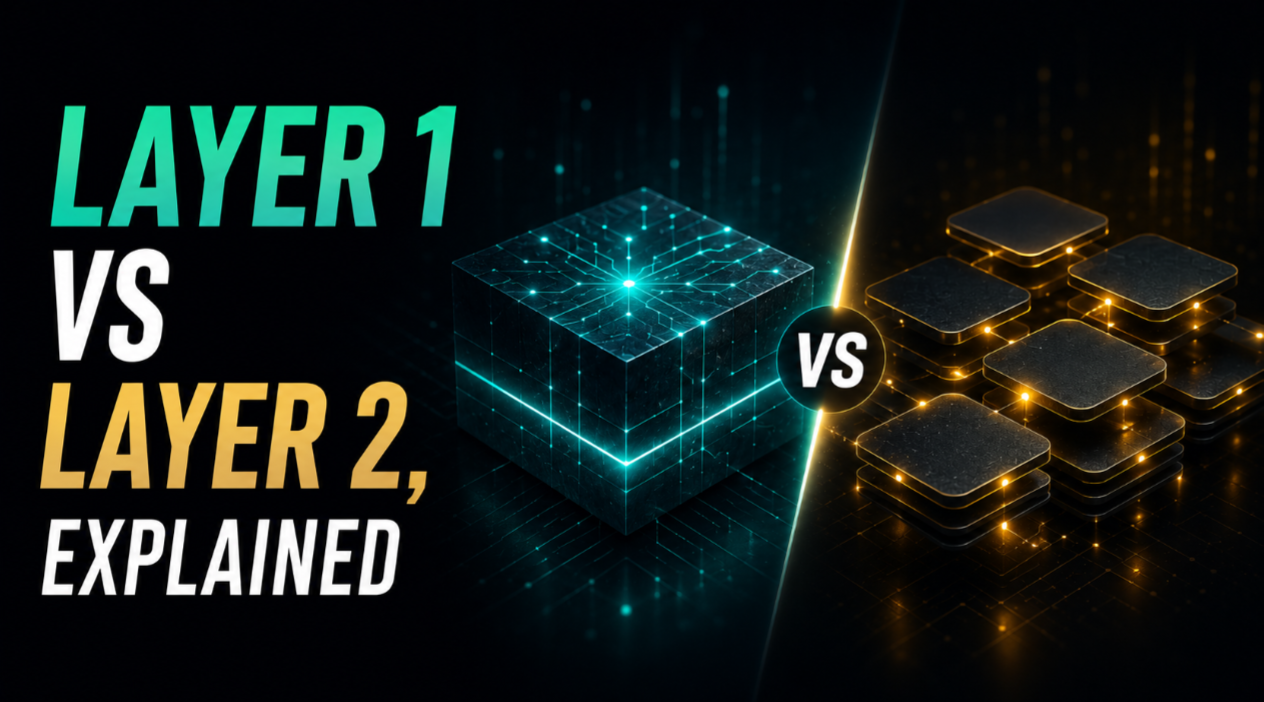 How It WorksLayer 1 vs Layer 2, ExplainedLayer 1 is the base blockchain that settles transactions and provides security. Layer 2 is a network built on top of it for faster, cheaper transactions.6 min read·
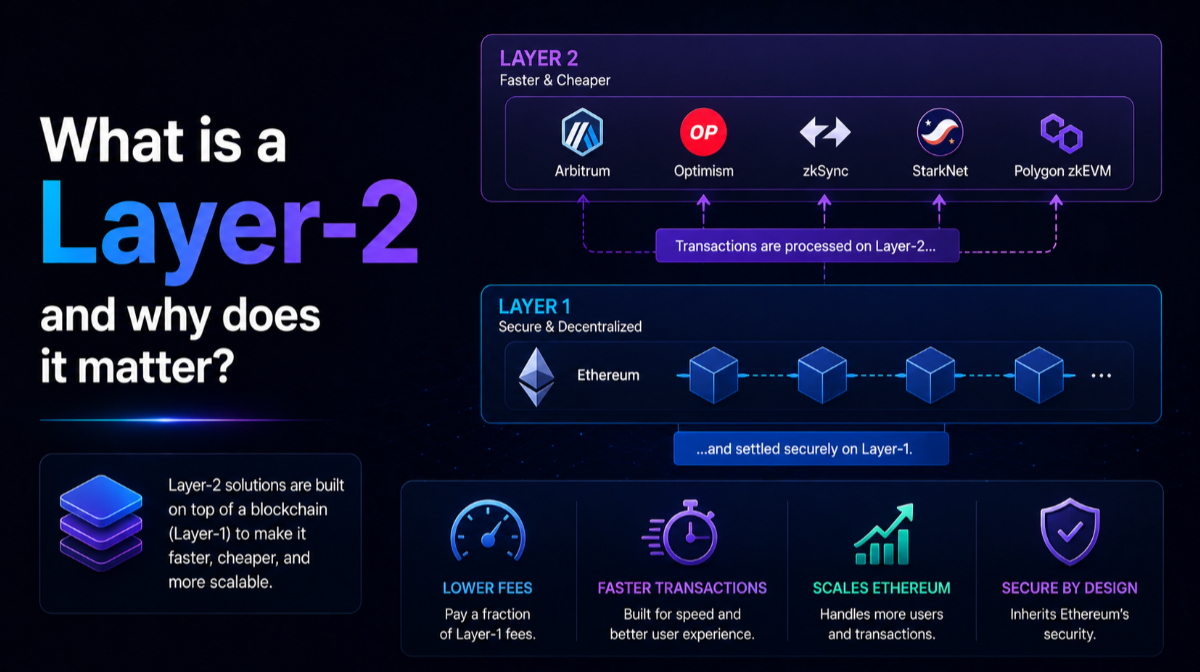 TechnologyWhat is a Layer-2 and why does it matter?A beginner-friendly guide to Layer-2 networks: what they are, how rollups scale blockchains, and why they matter for fees and speed.8 min read·
 RegulationBitcoin ETF Outflows Weigh on Market as Interactive Brokers Launches Ethereum StakingSpot Bitcoin ETFs recorded $65.4 million in net outflows as hawkish Federal Reserve comments pressured prices. Meanwhile, Interactive Brokers rolled out Ethereum staking for eligible US clients.4 min read·
 MarketsCFTC Opens Retail Crypto Leverage Rulemaking as Bitcoin Holds Near $84KThe CFTC has begun a rulemaking on leveraged retail crypto trading, while Bitcoin hovers near $84,000 and traders wait for U.S. inflation data and the Fed’s October meeting.4 min read·
 MarketsUS Moves $1B in Seized Bitcoin as Senate Scrutiny of Tether GrowsU.S.-linked wallets shifted 12,267 BTC from a Bitfinex hack seizure address without any exchange deposit, while Senator Richard Blumenthal pressed Cantor Fitzgerald over its Tether partnership.3 min read·
In our ratings: See CoinPulse's Unit rating and evidence · Crypto bridge ratings